Archive: 2026/03

Atrial Fibrillation Treatment: Rate vs. Rhythm Control and Stroke Risk
Understand Atrial Fibrillation management options. Learn about Rate vs. Rhythm control strategies, stroke prevention essentials, and how recent clinical trials like EAST-AFNET 4 shape modern treatment.
read more
Cancer Medication Combinations: Why Generic Bioequivalence Is Harder Than You Think
Generic cancer medications save billions yearly but struggle with combination therapies due to hidden bioequivalence risks. Learn how regulators, providers, and patients navigate these challenges balancing safety and access.
read more
Refractive Errors Explained: Myopia, Hyperopia, and Astigmatism Correction
Explore the science behind myopia, hyperopia, and astigmatism. Learn about optical causes, correction methods like LASIK and ortho-k, and how to manage your vision health.
read more
Coronary Artery Disease: Atherosclerosis, Risk Factors, and Treatments
Coronary artery disease, caused by atherosclerosis, is the leading cause of death worldwide. Learn the real risk factors, how it's diagnosed, and the proven treatments-including lifestyle changes, medications, and procedures-that can save your life.
read more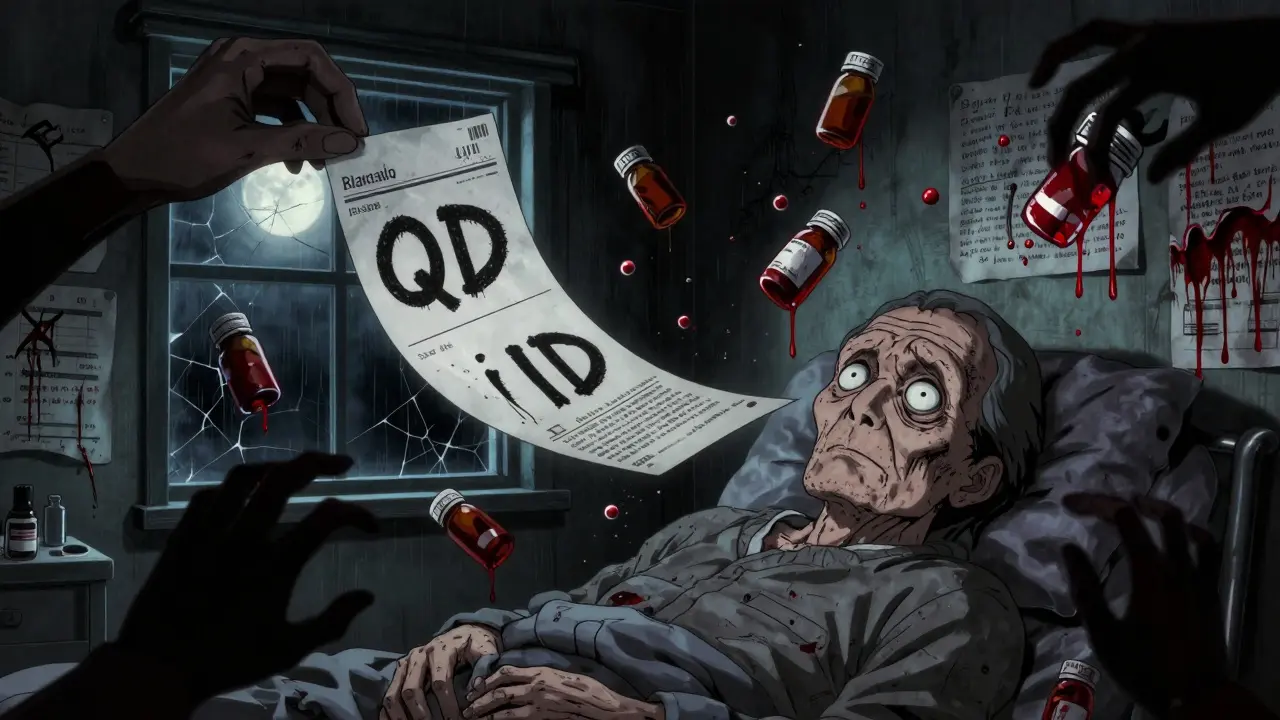
QD vs. QID: How Prescription Abbreviations Cause Dangerous Medication Errors and How to Prevent Them
QD and QID are dangerous prescription abbreviations that cause deadly dosing errors. Learn why they're still used, how they confuse patients and providers, and the simple changes that can prevent harm.
read more
Biosimilar Switching: What Happens When You Change from Originator
Biosimilar switching lets patients move from expensive originator biologics to cheaper alternatives with proven safety. Learn what actually happens during the switch, why some patients stop, and how to make it work.
read more
Prescription Assistance Programs: Direct Help from Manufacturers
Prescription assistance programs from drug manufacturers help millions afford high-cost medications. Learn how copay cards and PAPs work, who qualifies, and the hidden rules that could cost you more.
read more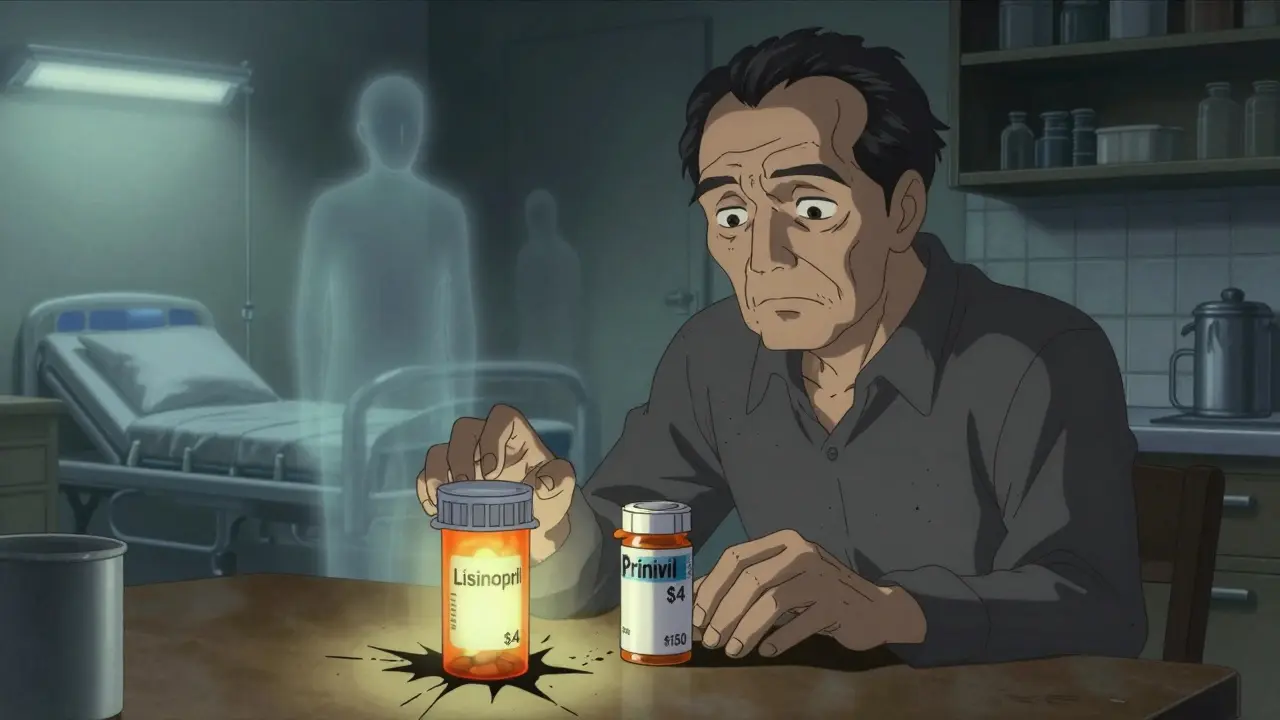
Lifetime Savings: How Generic Medications Cut Chronic Condition Costs for Good
Generic medications can save patients tens of thousands over a lifetime by cutting drug costs by 80-90% without sacrificing effectiveness. Learn how switching to generics improves adherence, reduces hospitalizations, and lowers lifelong treatment expenses for chronic conditions.
read more
Generic Manufacturing Standards: How Quality Control Stops Counterfeit Drugs
Generic drugs save billions, but only if they're real. Learn how strict quality control standards prevent counterfeit medicines from reaching patients-and why every pill you take is held to the same rigorous test as brand-name drugs.
read more
Navigating Medication Safety in Hospitals and Clinics: Key Practices to Prevent Errors
Medication errors kill thousands in U.S. hospitals each year - but proven safety practices like barcode scanning, hard stops for high-alert drugs, and patient involvement can prevent most of them. Here’s what actually works.
read more