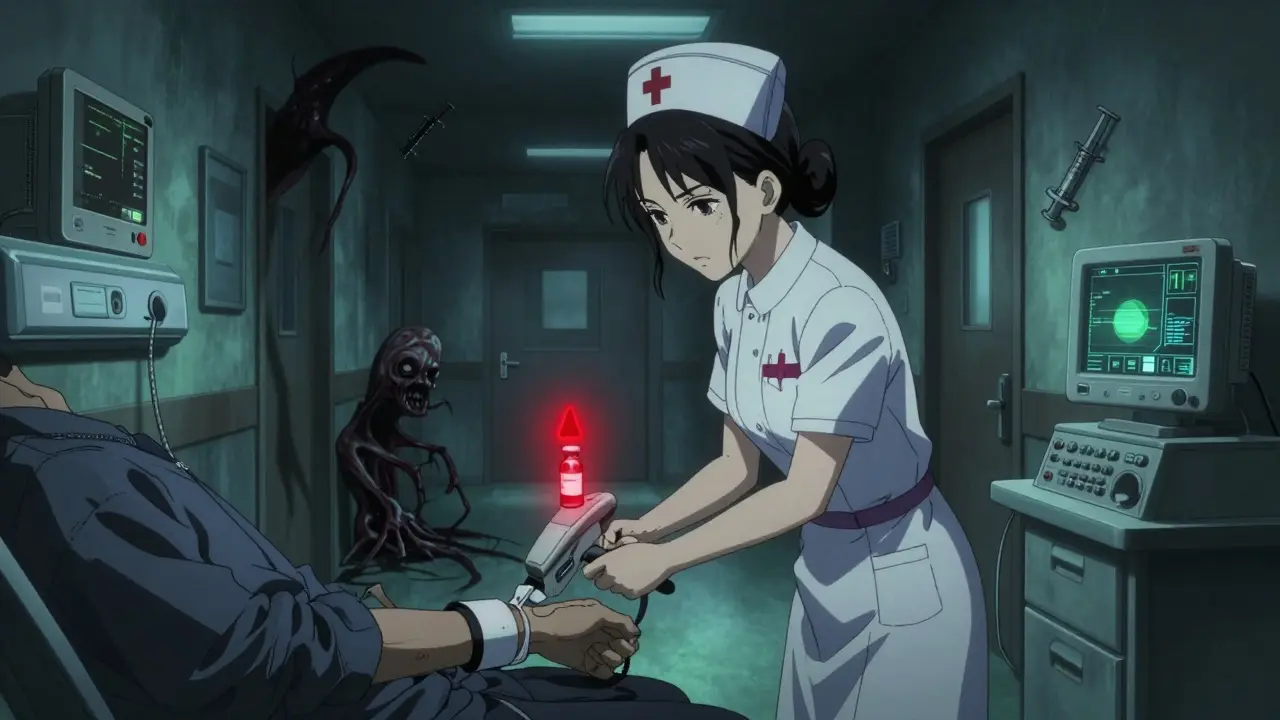
Every year in the U.S., medication errors cause harm to hundreds of thousands of patients - and kill thousands. It’s not a rare glitch. It’s a systemic problem that shows up in hospitals, clinics, and even at home after discharge. The good news? We know how to stop most of them. The challenge? Making sure everyone follows through.
What Exactly Counts as a Medication Error?
A medication error isn’t just giving the wrong pill. It’s any mistake that happens while a drug is in the hands of a healthcare provider, patient, or pharmacist - from prescribing the wrong dose to giving insulin when it should be a blood thinner. The American Society of Health-System Pharmacists (ASHP) defines it as a preventable event that could lead to harm. That means if someone almost got a fatal dose of methotrexate but caught it in time? That still counts. These aren’t accidents. They’re system failures.Back in 1999, the Institute of Medicine shocked the medical world by revealing that between 44,000 and 98,000 people die each year in U.S. hospitals due to preventable errors. Medication errors were responsible for about 7,000 of those deaths. A decade later, studies still show roughly 400,000 preventable drug-related injuries happen annually in hospitals alone. That’s one error per patient, every day.
The Big Three: High-Alert Medications That Kill
Not all drugs are created equal when it comes to danger. Some are so risky that even a tiny mistake can be deadly. These are called high-alert medications. The Institute for Safe Medication Practices (ISMP) keeps a public list, and hospitals are required to use it. The top offenders?- Insulin - Too much can crash blood sugar. Too little can trigger diabetic ketoacidosis.
- Opioids - A single miscalculated dose can stop breathing.
- Anticoagulants - Like warfarin or heparin. Wrong dose? Internal bleeding.
- IV potassium chloride - A few milliliters too much can stop the heart.
- Vinca alkaloids - Used in cancer treatment. If given by spinal injection instead of IV? Paralysis or death.
These aren’t rare drugs. They’re used every day. That’s why safety rules for them aren’t optional. They’re mandatory.
ISMP’s 19 Best Practices: What Actually Works
The Institute for Safe Medication Practices didn’t just list problems. They built solutions. Their Targeted Medication Safety Best Practices for Hospitals (2020-2021) includes 19 specific, actionable rules. Some of the most critical:- Weekly methotrexate defaults - Electronic systems must default to weekly dosing for this cancer drug. Daily dosing? The system blocks it unless a doctor confirms it’s for an oncology case. Since this rule started, an estimated 1,200 serious errors have been prevented each year.
- No glacial acetic acid - This chemical looks like sterile water. One nurse accidentally gave it to a patient as an IV flush. The patient died. Now, it’s banned from hospital floors.
- Hard stops for vinca alkaloids - If someone tries to order vinca alkaloids for intrathecal use, the system won’t let it happen. Period.
- Double-checks for high-alert meds - Two licensed staff must independently verify insulin, opioids, and anticoagulants before administration.
- Right Patient Check - Before giving any drug, staff must confirm the patient’s full name, date of birth, and wristband match. No exceptions.
These aren’t suggestions. They’re non-negotiable. Hospitals that fully implement these practices see 37% fewer preventable injuries than those that don’t, according to a 2021 study in the Journal of Patient Safety.
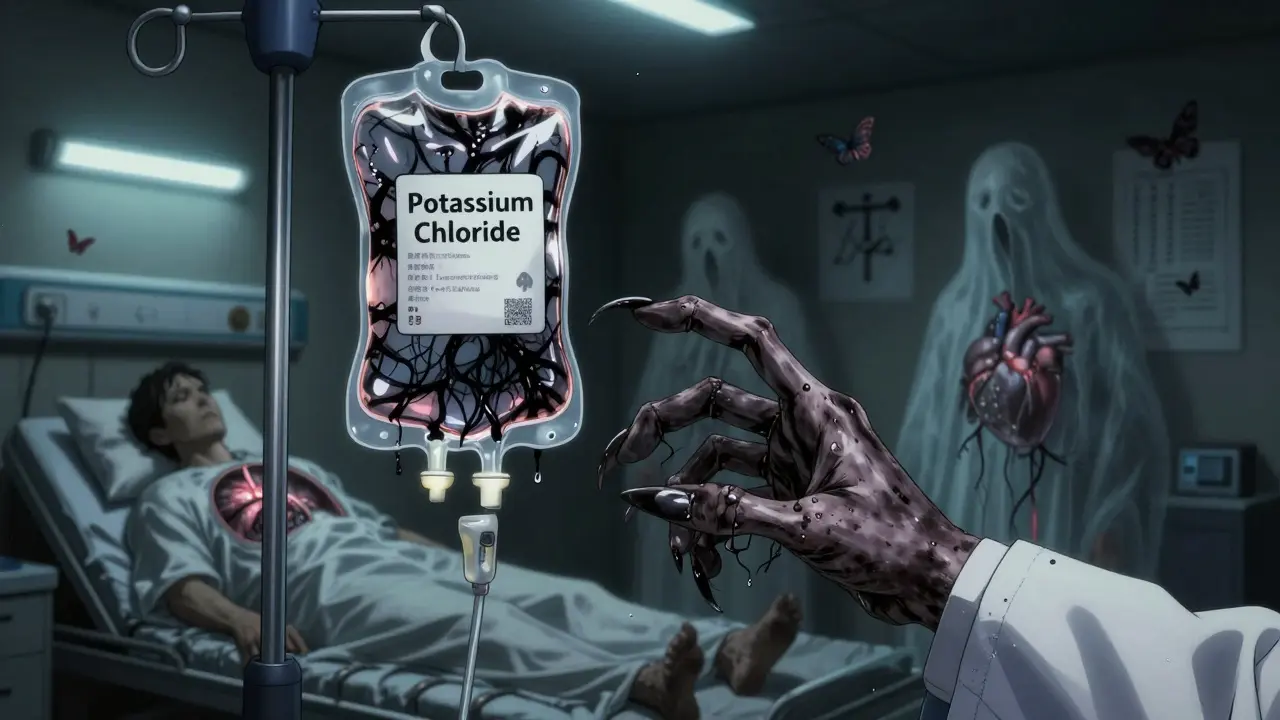
Technology: Barcode Scans and EHRs - Not Just Buzzwords
You can’t fix this with posters and memos. You need tech. Two systems make the biggest difference:- Barcode Medication Administration (BCMA) - Nurses scan the patient’s wristband, then scan the medication. If they don’t match? The system won’t allow the dose. Hospitals with full BCMA use report 55% fewer serious errors than those without.
- Electronic Health Records (EHRs) with Clinical Decision Support - These aren’t just digital charts. Smart systems flag drug interactions, warn about duplicate orders, and block incorrect doses. For example, if a doctor orders 500 mg of acetaminophen every 4 hours for a liver patient, the system should auto-reject it.
But here’s the catch: 63% of hospitals say their EHR vendor won’t let them build hard stops for high-risk meds. That’s a problem. If the system doesn’t physically block errors, staff are left relying on memory - and memory fails.
Why Some Hospitals Still Fail
You’d think every hospital would jump on these proven practices. But reality is messier. A 2022 ECRI Institute study found only 42% of community hospitals fully implemented ISMP’s best practices. Academic centers? 78%. Why the gap?- Cost - Implementing these systems costs an average of $285,000 per hospital. Smaller clinics can’t afford it.
- Staff shortages - Double-checking insulin takes time. When nurses are stretched thin, shortcuts creep in.
- Fragmented rules - Hospitals have to follow ISMP, the Joint Commission, CMS, and state regulations. Each has different requirements. It’s confusing.
- Workarounds - When the system doesn’t work, staff invent fixes. A nurse might write a warning on a sticker and stick it to the chart. That’s not a safety system. That’s a band-aid.
One nurse on the American Nurses Association forum described how requiring both written and verbal discharge instructions for methotrexate created delays during staffing shortages. Patients left confused. Safety protocols became bottlenecks.
Patients Have a Role Too
Medication safety isn’t just a hospital job. Patients are the last line of defense. A 2022 National Council on Aging survey found that 68% of adults 65+ felt more confident when hospitals used the full Right Patient Check. But patients rarely know to ask.Here’s what patients should do:
- Always ask: “Is this the right drug for me?”
- Check your discharge papers. Does the dose match what your doctor told you?
- Keep a written list of all your meds - including over-the-counter drugs and supplements.
- Speak up if something looks off. A wrong pill is never “just a mistake.”
At Mayo Clinic and Johns Hopkins, pilot programs that let patients report concerns about their meds cut error rates by 32%. Patients aren’t bystanders. They’re partners.
The Future: AI and Outpatient Risks
Medication safety is no longer just an inpatient issue. Between 2018 and 2022, outpatient medication errors rose 47%. That’s clinics, urgent cares, and home care. The ISMP plans to expand its best practices to outpatient settings in 2024-2025.And AI is coming. Gartner predicts 75% of U.S. hospitals will use artificial intelligence for real-time error detection by 2025. Right now, only 22% do. These systems can flag patterns humans miss - like a patient who gets three opioid prescriptions from different doctors in one week.
Meanwhile, the FDA just mandated new labeling for high-concentration electrolytes by the end of 2024. And CMS now ties hospital payments to medication safety performance. No more ignoring the problem.
What’s the Bottom Line?
Medication safety isn’t about perfection. It’s about layers. One system fails? Another catches it. One person misses a red flag? Someone else sees it. The most effective hospitals don’t rely on one hero nurse or one fancy scanner. They build systems so strong that mistakes are nearly impossible.It’s not expensive to fix. It’s expensive to ignore. The cost of medication errors? $21 billion a year in the U.S. That’s not just money. It’s lives.
What are high-alert medications, and why are they so dangerous?
High-alert medications are drugs that carry a higher risk of causing serious harm if used incorrectly. Examples include insulin, opioids, anticoagulants, IV potassium chloride, and vinca alkaloids. Even a small mistake - like giving 10 units instead of 1 - can lead to death. That’s why they require extra safeguards like double-checks, hard stops in electronic systems, and standardized concentrations.
How does barcode scanning reduce medication errors?
Barcode scanning links the patient’s wristband to the medication being given. Before administration, the nurse scans both. If the drug doesn’t match the patient’s order, the system blocks the dose. This stops errors like giving the wrong drug, wrong dose, or wrong patient. Hospitals using full barcode systems report 55% fewer serious errors.
Why do some hospitals still have medication errors despite safety rules?
Even with rules in place, errors happen due to staffing shortages, outdated electronic systems that don’t allow hard stops, lack of training, and workarounds. A nurse might skip a double-check because they’re rushed. A pharmacy might not have the budget to update software. When safety systems are inconsistently applied, they become unreliable.
Can patients help prevent medication errors?
Yes. Patients should always ask: "Is this the right medication for me?" They should check their discharge papers against what was explained. Keeping a written list of all medications - including vitamins and supplements - helps avoid dangerous interactions. Hospitals that involve patients in safety checks report up to 32% fewer errors.
What’s being done to improve safety in outpatient clinics?
The Institute for Safe Medication Practices (ISMP) is expanding its Best Practices to include outpatient settings in 2024-2025. This follows a 47% rise in outpatient medication errors from 2018 to 2022. New efforts include standardized prescribing templates, patient education tools, and better communication between clinics and pharmacies.
Arlen Whitlock
My name is Arlen Whitlock, and I am an expert in the field of pharmaceuticals. With a deep passion for understanding medications and their effects on various diseases, I have dedicated my life to researching and developing innovative drug therapies. I also have a keen interest in dietary supplements and their potential interactions with medication. Sharing my knowledge and insights with others is one of my greatest passions, and I fulfill this by writing about the latest advancements in medication, the treatment of various diseases, and the role of supplements in health. Through my work, I hope to contribute to the betterment of public health and the well-being of patients around the world.
Let me guess - another hospital that thinks 'training slides' fix systemic failure. 😏 I've seen nurses skip double-checks because they were running 3 shifts in one day. No tech can fix burnout. And don't even get me started on EHR vendors who say 'hard stops are too expensive.' Tell that to the family of the 72-year-old who got vinca alkaloids intrathecally. 💔
Wait wait wait - so you're saying we should ban glacial acetic acid? But... isn't that just vinegar? Like, the stuff you put on fries? Why are we making this a big deal? 🤔
Oh honey. You really think barcode scanners are the hero here? I work in a small ER in Alberta. We got the scanners. We got the EHR. We got the 'mandatory double-checks.' But when your nurse has 8 patients and 2 of them are coding? You don't scan. You just... do. And then you pray. This isn't a system failure - it's a humanity failure. And nobody wants to admit that. 😔
i just had to read this whole thing and i'm so tired. like... why are we still talking about this? we know how to fix it. we just dont wanna pay for it. my cousin got the wrong med last year. she's fine. but the nurse who gave it? she cried for 3 days. no one apologized. just 'oops, system glitch.' ugh. 🤦♂️
I'm a nurse of 18 years. I've seen this play out in 5 different hospitals. The truth? The best safety system in the world fails if the person holding the syringe is exhausted, underpaid, and emotionally drained. We need more nurses. Not more stickers. Not more scanners. More people. And yes - patients should ask. But they shouldn't have to. That's our job. ❤️
Oh sweet merciful Jesus on a pogo stick - they banned glacial acetic acid? That’s like banning butter because someone once used it as a lubricant. But seriously? This is why I left nursing. You can’t legislate common sense. One nurse accidentally gave it as an IV flush? That’s not a system failure - that’s a train wreck with no brakes and a clown at the wheel. 🤡
I'm from the Philippines and we don't have barcode scanners or fancy EHRs. But we have something better - community. Nurses check each other. We call out mistakes. We laugh. We cry. We hold hands. We don't need AI to tell us not to kill someone. We just need to be treated like humans. 🙏
The 55% drop with BCMA? That’s real. But only if the system doesn’t auto-override. I worked at a hospital where the scanner beeped 'mismatch' - but the nurse just hit 'ignore' and moved on. No consequences. No audit. Just... ignored. Tech is only as good as the culture that uses it.
I get it. We need layers. But here’s the thing - the layer that matters most is the one between a nurse’s heart and their hands. When you care, you double-check. When you’re numb? You don’t. The real fix isn’t tech. It’s restoring dignity to the people who do the work. Pay them. Respect them. Let them breathe. Then the scanners will work. 💪
I'm a patient. I had a med error. They gave me 10x the dose. I almost died. But here's the thing - I didn't know what to say. No one told me I could ask. No one trained me. So I just nodded. And now I'm here. Please. Just tell us. Like... really tell us. 🤗