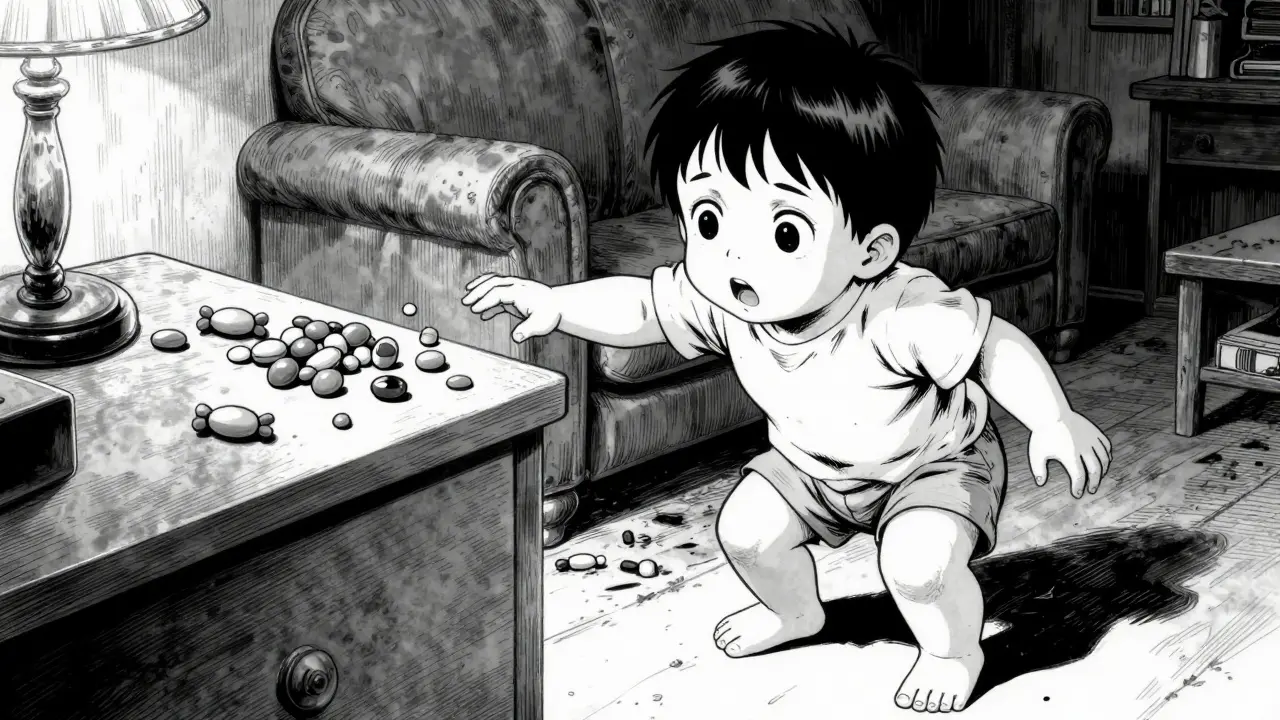
It is a terrifying thought, but about 50,000 children under age five end up in emergency rooms every year because of medication-related poisonings. Some of these incidents involve a single pill-like a heart medication or a prenatal vitamin-that can be fatal to a small child. The scary part is that many of these accidents happen in the places we feel safest: our own living rooms and our children's classrooms.
Teaching kids about medication safety for kids isn't just about telling them "don't touch that." It's about a gradual, age-appropriate education that evolves as they grow. Whether you are a parent trying to secure your bedside table or a teacher managing a classroom of energetic students, the goal is to move from passive protection (locking things away) to active knowledge (teaching the child why safety matters).
| Initiative | Primary Focus | Best For... |
|---|---|---|
| FDA "As They Grow" | Developmental milestones | Parents teaching at home |
| CDC PROTECT Initiative | Environmental safety & storage | Securing the physical home |
| Generation Rx | Classroom-ready materials | School-based education |
| Head Start Protocols | Regulatory enforcement | Professional childcare staff |
The Golden Rule: Medicine is Not Candy
One of the most dangerous mistakes we can make is calling a pill "candy" to get a child to take it. Dr. Richard Dart from the Rocky Mountain Poison and Drug Center found that this simple phrase can increase the risk of ingestion by 220%. When we use that word, we tell the child's brain that these colorful tablets are treats, not chemicals.
Instead, be clear and consistent. Use the phrase "medicine is not candy" every single time. This creates a firm mental boundary for the child. Since many prescription liquids are now brightly colored and flavored, the temptation is high. You need to be the one to establish that flavor does not equal safety.
Age-by-Age Safety Guide
You can't teach a three-year-old the same way you teach an eight-year-old. Education needs to match their brain development. Here is how to break it down based on FDA guidelines:
- Age 3: Focus on the "Adult Only" rule. Teach them that if they find a pill on the floor, they must give it to an adult immediately without tasting it. They should also know to tell you if they see another child touching medicine.
- Age 5: Start involving them. Let them put their name or a sticker on their own medicine bottle. At this stage, they should understand that medicines must stay far away from babies and toddlers.
- Age 6: Move toward literacy. Have them help you read the labels. Let them help you track when a dose is due. This is the age to start asking the doctor questions together during appointments.
- Age 7: Focus on the process. They should be able to verify a label against the doctor's instructions. Crucially, teach them not to take their medicine in front of children under four, as little ones are like sponges and will imitate the behavior almost instantly.
- Age 8: Accuracy is key. At this age, children should know their exact weight, which is vital for ensuring they receive the correct dose.
Securing Your Home Environment
Many parents rely on "child-proof" caps, but let's be honest: kids are persistent. A study showed that only 29% of parents who rely solely on child-resistant caps actually store their medicine safely. In contrast, 86% of those using locked storage keep their children safe.
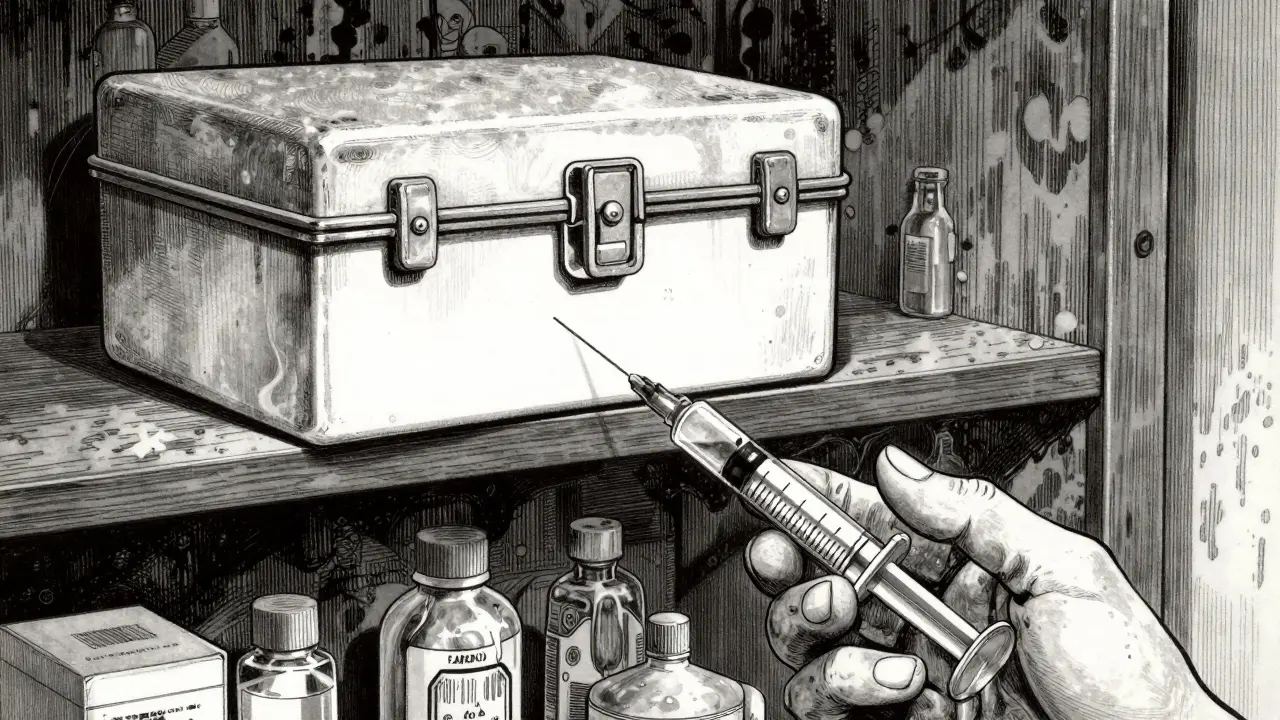
Avoid the "convenience traps." We often leave medications on bedside tables, kitchen counters, or in purses. These are the prime locations for accidental ingestions. Instead, invest in a medication lock box that meets ASTM F2057-22 safety standards. Store these boxes "up and away"-high shelves are good, but locked is better.
When it comes to dosing, put away the kitchen spoons. Using a household spoon can lead to a measurement error of up to 98%. Always use an oral syringe with clear dose markings. Most pharmacies provide these for free-use them.
Medication Safety in the School Setting
Schools are a different beast. The transition between classrooms or caregivers is where most errors happen. In Head Start programs, about 32% of medication errors occur during these hand-offs. If your child needs medication at school, ensure there is a written log that is updated with 100% accuracy.
For educators, implementing a structured program like the "Medication Safety Patrol" can make a massive difference. In one case study from Columbus City Schools, using this curriculum reduced medication-related incidents by 34% over two years. It uses role-playing to help kids distinguish between medicine and candy in a safe environment.
The challenge is that many schools, especially in rural areas, lack full-time nurses. If your school doesn't have a dedicated health officer, it's even more important for parents to provide clear, written instructions and original pharmacy packaging for any medication brought on campus.
Dealing with Grandparents and Visitors
Your home might be a fortress, but what about Grandma's house? A CDC survey found that 79% of grandparents don't follow strict medication storage guidelines. Many keep their pills in purses or suitcases-exactly where a curious child can find them.
Have a gentle but firm conversation with your extended family. Explain the risks of imitation behavior and the danger of certain medications. You might even offer to help them set up a locked box for when the grandkids visit. It's a small effort that prevents a potentially fatal mistake.
The Gap: Adolescents and Prescription Misuse
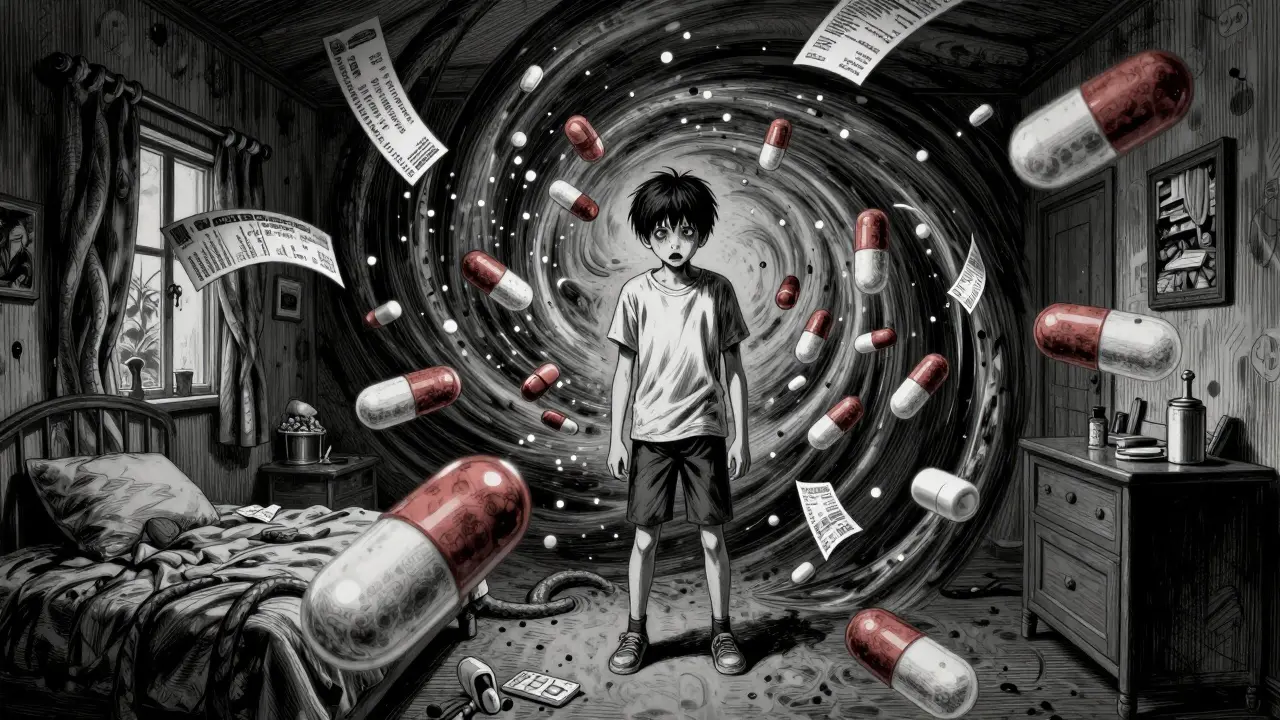
Most of these safety programs stop when a child hits age ten. However, the risk doesn't disappear; it just changes. Prescription misuse often peaks around age 16. We spend so much time preventing a toddler from eating a pill that we forget to teach teenagers about the dangers of sharing prescriptions or using medication to cope with stress.
As your child enters their teens, shift the conversation toward the pharmacology of the drugs-why certain medications are dangerous if not prescribed for them and the long-term effects of misuse. The goal is to move from "don't touch" to "understand the risk."
What should I do if my child swallows the wrong medication?
Immediately call the Poison Help number at 800-222-1222. Do not wait for symptoms to appear, as many toxic reactions are delayed. Have the medication bottle ready so you can tell the specialist exactly what was ingested and how much. Program this number into every phone in your house.
Why can't I just use a kitchen spoon for liquid medicine?
Household spoons vary wildly in size and shape. This can cause a measurement error between 40% and 98%, leading to either an ineffective dose or a dangerous overdose. Always use a calibrated oral syringe or a dosing cup provided by the pharmacy.
At what age can a child start learning about medication safety?
Children as young as three can start learning basic concepts, such as only taking medicine when a parent gives it to them. The education should be developmental, starting with simple rules and moving toward label-reading and dosage understanding by age six or seven.
Are "child-proof" caps enough to keep my kids safe?
No. Child-resistant caps are a helpful layer, but they are not foolproof. Many children can eventually figure out how to open them. The gold standard is "up and away" storage in a locked medication box that meets safety standards like ASTM F2057-22.
How do I explain to my child why some pills are safe for me but not for them?
Use a simple analogy. Tell them that medicines are like "special tools" that only fit certain jobs. Just as a giant hammer is for a big project and wouldn't work on a tiny toy, a medicine meant for an adult's body is too strong and doesn't "fit" a child's smaller body.
Next Steps for Parents and Educators
If you're just starting, begin by auditing your home. Check your purses, bedside tables, and kitchen counters for any loose pills. If you find any, move them to a high, locked cabinet immediately.
For those in a school setting, reach out to organizations like Generation Rx to get their Elementary Toolkit. If your district lacks a full-time nurse, collaborate with parents to create a rigorous medication log. Remember, the most effective prevention is a combination of secure environments and a child who knows that medicine is a tool, not a treat.

Harrison Duncombe
I have been working in the pharmaceuticals industry for over two decades and have developed a passion for medications and their impact on health. I enjoy researching new treatments and writing about their effects on diseases. Sharing my knowledge about supplements is something I find fulfilling. Through my work, I aim to provide valuable insights and guidance to those seeking understanding in this complex field.