Reverse Opioid Overdose: How Naloxone Saves Lives and What You Need to Know
When someone overdoses on opioids, their breathing slows or stops—sometimes in just minutes. The only thing that can quickly reverse this is naloxone, a medication that blocks opioid effects in the brain and restores normal breathing. Also known as an opioid reversal agent, naloxone doesn’t work on other drugs like alcohol or benzodiazepines, but it can bring someone back from the edge of death if given in time. This isn’t theoretical. In 2022, over 70,000 opioid overdose deaths happened in the U.S. alone. Many of those could have been prevented with immediate access to naloxone.
Most people don’t realize how fast things can go wrong. Someone might take a prescription painkiller, then a little more because the pain isn’t gone. Or they might use street drugs like heroin or fentanyl, not knowing the dose is deadly. Signs of overdose include blue lips, slow or shallow breathing, unresponsiveness, and pinpoint pupils. You don’t need to be a doctor to recognize this. And you don’t need a prescription to carry naloxone—it’s available over the counter in most states and can be given as a nasal spray or injection. Opioid overdose symptoms, the physical signs that indicate someone needs immediate help are clear, but panic often stops people from acting. The truth? Giving naloxone is simple, safe, and won’t hurt someone who didn’t take opioids.
Some think naloxone encourages drug use. It doesn’t. It gives people a second chance. Many who’ve been revived with naloxone go on to seek treatment. Others keep using—but now they know someone nearby has the tool to save them. Naloxone, a medication that blocks opioid effects in the brain and restores normal breathing is like a seatbelt for opioid users: it doesn’t prevent crashes, but it saves lives when they happen. Families, friends, teachers, and even coworkers are now carrying it. Pharmacies stock it. Some cities give it out for free.
What you’ll find in the posts below isn’t just theory. It’s real-world guidance on how to respond when someone stops breathing after taking opioids. You’ll learn how to spot the warning signs before it’s too late, how to use naloxone correctly, what to do after giving it, and why timing matters more than anything. There are also posts on how liver disease affects opioid metabolism, how drug interactions can raise overdose risk, and why some people respond differently to naloxone. This isn’t about fear. It’s about knowing what to do when seconds count.
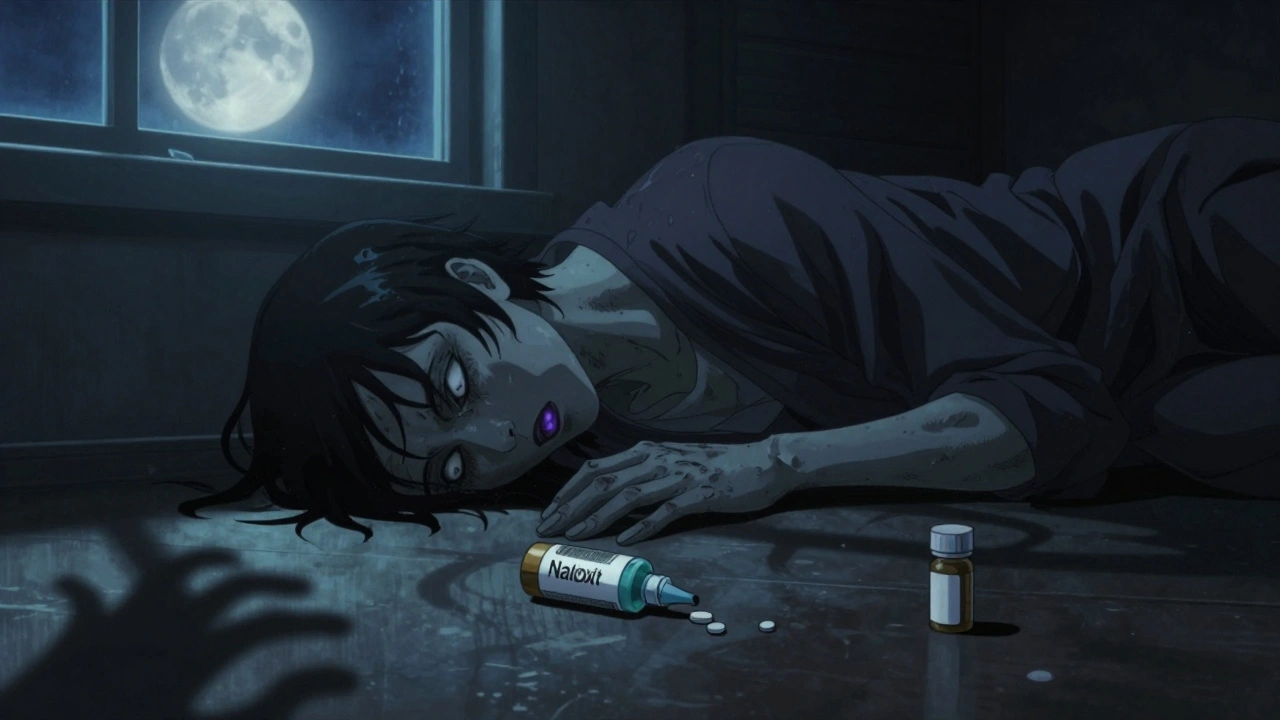
Opioid Overdose: How to Recognize Symptoms and Use Naloxone to Save a Life
Learn how to recognize opioid overdose symptoms and use naloxone to reverse it. Step-by-step guide for bystanders, with real-world data and safety tips to save a life.
read more