Opioid Overdose: Signs, Risks, and What to Do in an Emergency
When someone experiences an opioid overdose, a life-threatening reaction to too much opioid medication or illicit drug. Also known as opioid poisoning, it happens when breathing slows or stops because the brain can’t signal the body to breathe. This isn’t just a problem for people using drugs illegally—it can happen to anyone taking prescription painkillers like oxycodone, hydrocodone, or fentanyl, especially if they mix them with alcohol, benzodiazepines, or sleep aids.
One of the biggest dangers today is fentanyl, a synthetic opioid 50 to 100 times stronger than morphine. It’s often mixed into other drugs without the user’s knowledge, making even a tiny amount deadly. Many overdoses happen because someone takes what they think is heroin or oxycodone, but it’s actually laced with fentanyl. The naloxone, a fast-acting medication that reverses opioid effects. Also known as Narcan, it’s available over the counter in many places and can bring someone back to life within minutes—if given in time.
Recognizing the signs is critical. Look for slow or shallow breathing, blue or gray lips and fingernails, unresponsiveness, and gurgling sounds—sometimes called the "death rattle." These aren’t signs of being "high"—they’re signs someone is dying. Time matters. Calling 911 and giving naloxone right away can mean the difference between life and death. Even if the person wakes up after naloxone, they still need medical care. The effects of naloxone wear off faster than opioids, so the person can slip back into overdose.
People with chronic pain, those recovering from addiction, and older adults taking multiple medications are at higher risk. Liver disease affects how opioids are broken down, and even small dose changes can push someone into overdose. Mixing opioids with other drugs that slow breathing—like anti-anxiety meds or sleep pills—multiplies the danger. Many overdoses happen after a period of abstinence, like after jail or rehab, when tolerance drops but the person takes their old dose.
There’s no shame in carrying naloxone. Keep it in your car, your bag, or at home if someone you know uses opioids. Learn how to use it. Watch a 30-second video online—most kits come with simple instructions. Talk to your pharmacist. Ask your doctor if naloxone should be part of your pain management plan. It’s not just for "addicts." It’s for parents, friends, coworkers, and neighbors.
The posts below cover real stories, medical facts, and practical steps you can take. You’ll find information on how opioid interactions affect liver function, why some people react differently to pain meds, and how medications like methadone and buprenorphine help in recovery. Some posts dive into the science behind drug metabolism and why generic versions matter in overdose prevention. Others show how to spot hidden risks in everyday prescriptions. This isn’t theoretical—it’s what people are dealing with every day. And the more you know, the more you can help.
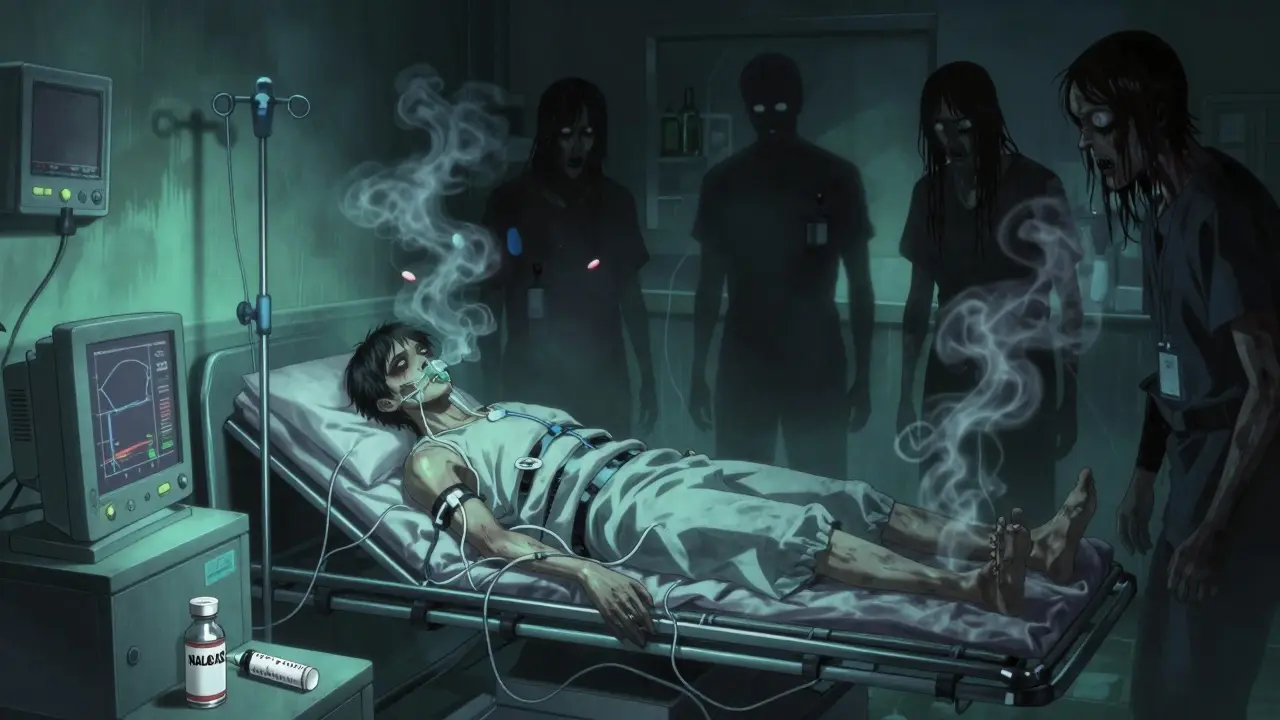
Multiple Drug Overdose: How to Manage Complex Medication Emergencies
Multiple drug overdoses are complex, deadly, and often misunderstood. Learn how naloxone, acetylcysteine, and emergency protocols work together to save lives when opioids, acetaminophen, and other drugs mix dangerously.
read more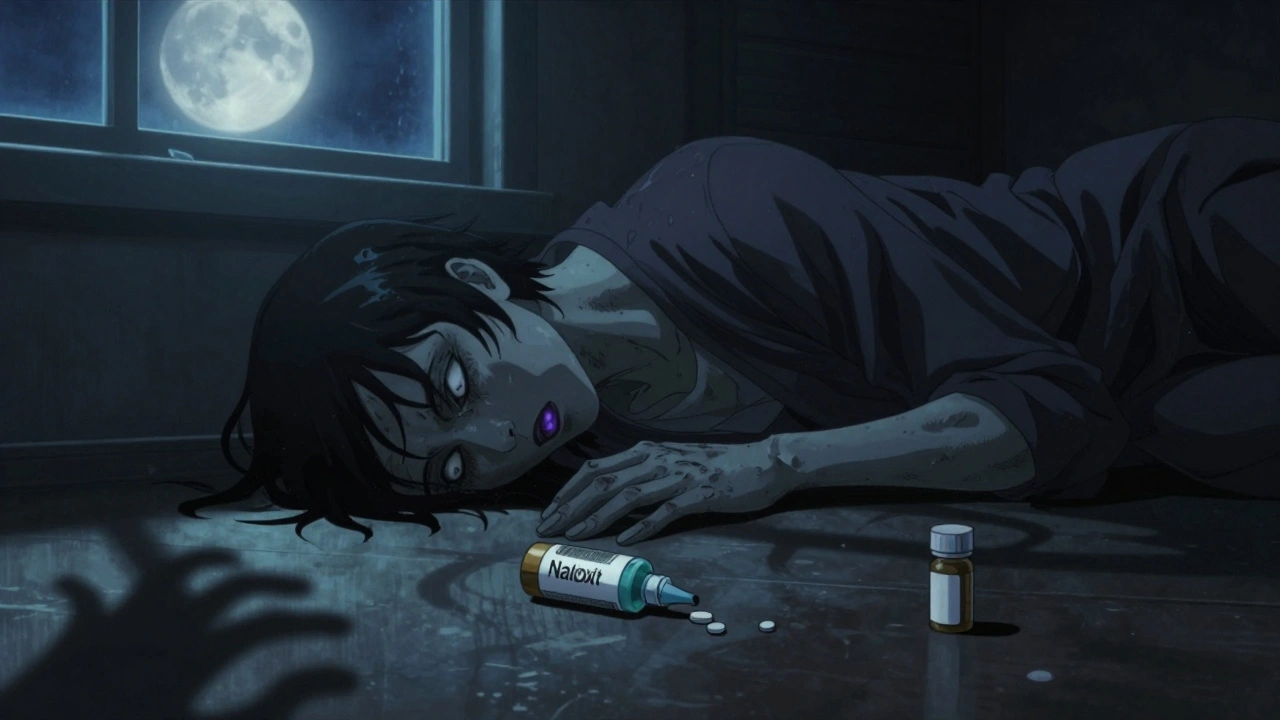
Opioid Overdose: How to Recognize Symptoms and Use Naloxone to Save a Life
Learn how to recognize opioid overdose symptoms and use naloxone to reverse it. Step-by-step guide for bystanders, with real-world data and safety tips to save a life.
read more