Naloxone: What It Is, How It Saves Lives, and Where to Find It
When someone overdoses on opioids, every second counts. Naloxone, a medication that rapidly reverses opioid overdose by blocking opioid receptors in the brain. Also known as Narcan, it’s not a cure for addiction—but it’s the best shot at keeping someone alive long enough to get help. It doesn’t work on alcohol, benzodiazepines, or stimulants. But if someone’s breathing has slowed or stopped after taking heroin, fentanyl, oxycodone, or even a prescription painkiller, naloxone can bring them back.
Naloxone is safe, simple, and fast. It comes as a nasal spray or an injection. You don’t need to be a doctor to use it. Friends, family members, teachers, and even strangers have used naloxone to pull people back from the edge. The CDC says more than 27,000 lives have been saved by bystanders using it since 2010. It’s not magic—it’s science. And it’s available without a prescription in most states.
But naloxone isn’t a one-time fix. It wears off in 30 to 90 minutes, and some opioids stick around longer. That’s why calling 911 after giving naloxone is non-negotiable. Someone can slip back into overdose once the drug wears off. Also, naloxone doesn’t help if the person didn’t take opioids at all. Giving it to someone who didn’t overdose won’t hurt them—it just won’t do anything. That’s why it’s so safe to carry around.
Related to naloxone is the broader issue of opioid overdose, a medical emergency caused by too much opioid in the system, leading to slowed or stopped breathing. Fentanyl, even in tiny amounts, is the biggest driver now. It’s mixed into pills, powders, and even fake cocaine. Many people don’t even know they’re taking it. That’s why having naloxone nearby isn’t just for people with opioid use disorder—it’s for anyone who might encounter someone in distress.
Another key player is Narcan, the brand name for the nasal spray version of naloxone, now widely available over the counter. You can buy it at pharmacies without a prescription in most places. Some community centers, libraries, and even vending machines in high-risk areas now offer it for free. It’s not expensive—often under $40, sometimes free. And it doesn’t expire quickly. Keep one in your car, your bag, your medicine cabinet. You never know when you’ll need it.
There’s a myth that naloxone encourages drug use. But studies show it doesn’t. People who’ve been revived with naloxone are no more likely to use drugs afterward. What it does is buy time—for treatment, for recovery, for a second chance. It’s not about enabling. It’s about not letting someone die before they’re ready to get help.
The posts below cover real stories, practical advice, and science-backed facts about medications and emergencies. You’ll find guides on how to recognize an overdose, what to do after giving naloxone, how it interacts with other drugs, and why some people still don’t have access to it. Whether you’re a caregiver, a patient, or just someone who wants to be prepared, these articles give you the tools to act—fast, safely, and with confidence.
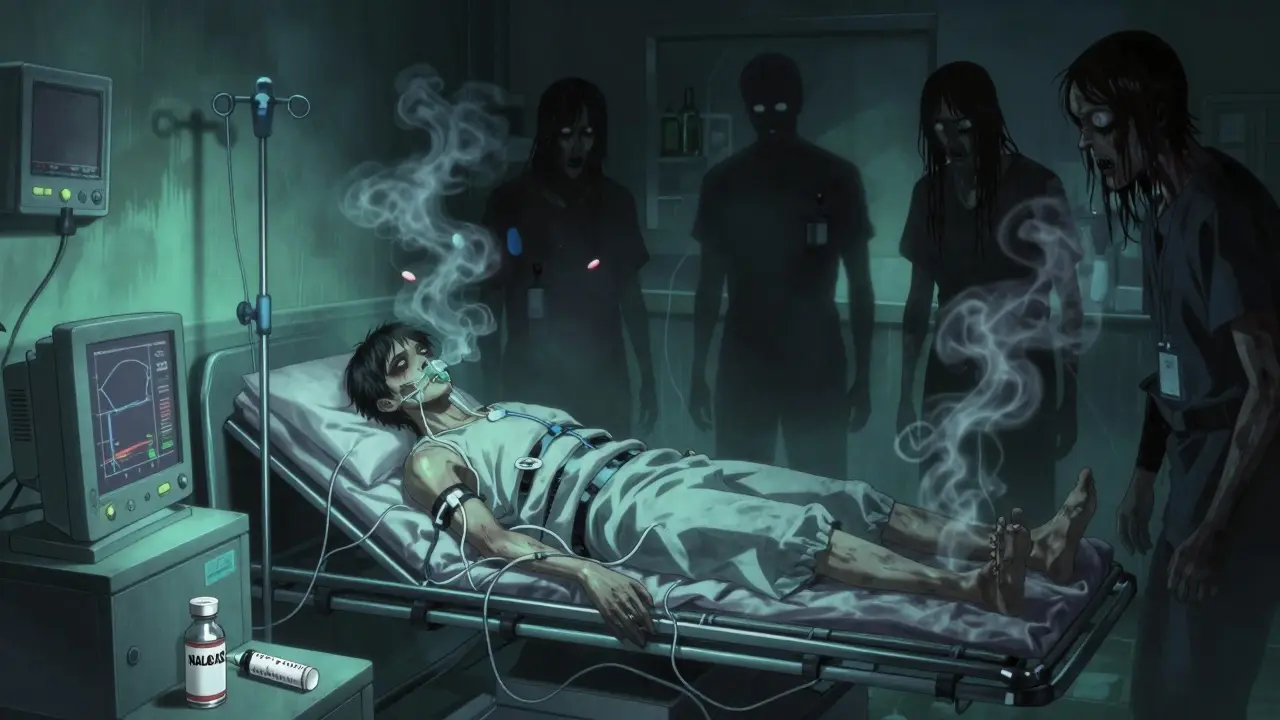
Multiple Drug Overdose: How to Manage Complex Medication Emergencies
Multiple drug overdoses are complex, deadly, and often misunderstood. Learn how naloxone, acetylcysteine, and emergency protocols work together to save lives when opioids, acetaminophen, and other drugs mix dangerously.
read more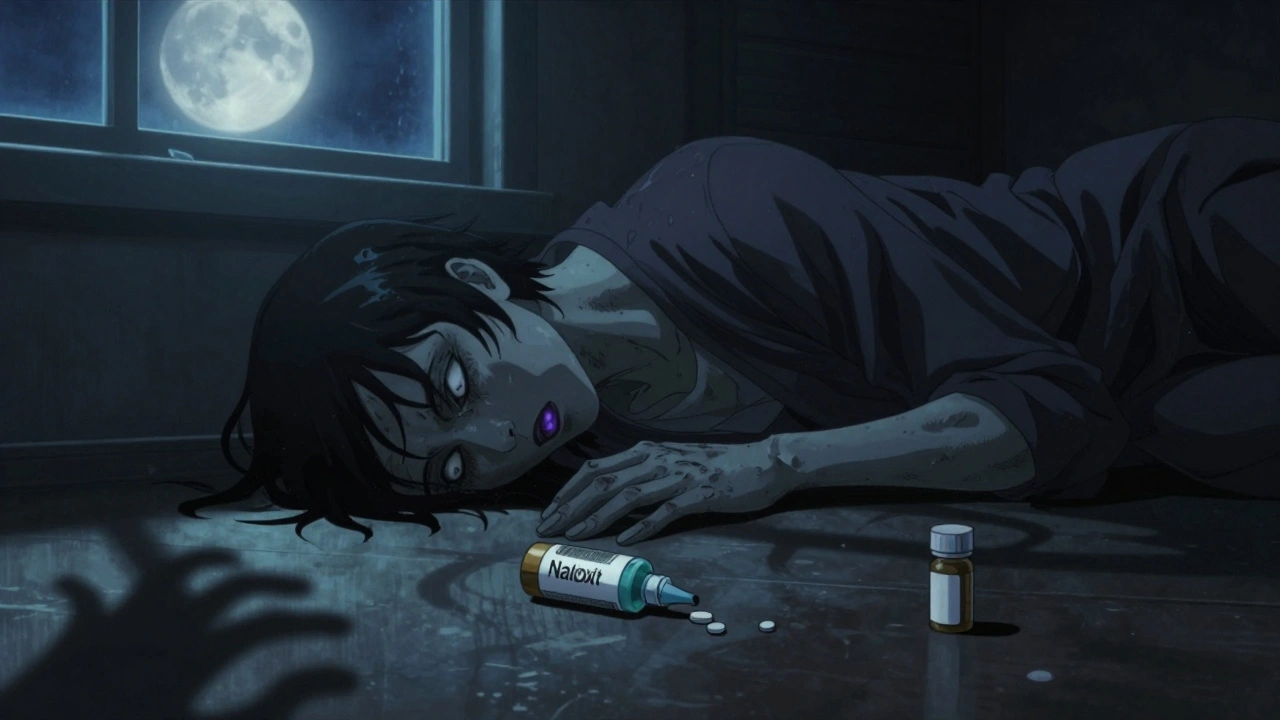
Opioid Overdose: How to Recognize Symptoms and Use Naloxone to Save a Life
Learn how to recognize opioid overdose symptoms and use naloxone to reverse it. Step-by-step guide for bystanders, with real-world data and safety tips to save a life.
read more