Narcan: What It Is, How It Works, and Why It Matters
When someone overdoses on opioids, time isn’t just important—it’s everything. Narcan, a brand name for the drug naloxone, is a fast-acting opioid antagonist that can reverse an overdose within minutes. Also known as naloxone, it doesn’t get you high, doesn’t treat addiction, but it can bring someone back from the brink of death. This isn’t science fiction. It’s a tool carried by first responders, teachers, parents, and even strangers who’ve learned to act fast when every second counts.
Narcan works by kicking opioids off the brain’s receptors—like pulling a plug from a jammed circuit. Opioids bind to these receptors and slow breathing until it stops. Narcan displaces them, letting the person breathe again. It only works on opioids: heroin, fentanyl, oxycodone, hydrocodone, morphine. It won’t help with alcohol, benzodiazepines, or cocaine overdoses. That’s why knowing what caused the overdose matters. But here’s the thing—you don’t need to be sure. If someone is unresponsive, not breathing, or turning blue, give Narcan. Then call 911. It’s safe. Even if they didn’t take opioids, it won’t hurt them.
It’s not just for hospitals anymore. Narcan nasal spray is easy to use—no needles, no training needed. Just spray one dose into one nostril. Many states now let anyone buy it over the counter. Pharmacies stock it next to pain relievers. Schools keep it on hand. Some cities hand it out with free condoms or food vouchers. Why? Because the opioid epidemic didn’t disappear—it evolved. Fentanyl, 50 times stronger than heroin, is now mixed into pills that look like Xanax or Adderall. People don’t know they’re taking it. A single grain can kill.
And here’s what most people don’t realize: Narcan’s effect wears off faster than some opioids. Fentanyl can stay in the body for hours. That means someone can start overdosing again after Narcan brings them back. That’s why you never walk away after giving it. Stay with them. Monitor their breathing. Call for help. Even if they wake up mad or confused, don’t let them leave. They need medical care.
Narcan isn’t a cure. It’s a second chance. And that second chance gives someone time to get treatment, to find support, to rebuild. It’s not about judging drug use—it’s about keeping people alive so they have a shot at recovery. Thousands of lives have been saved because someone had the courage to use it. Maybe that someone will be you.
Below, you’ll find real stories and facts about how Narcan fits into the bigger picture of opioid safety, emergency response, and public health. From how it’s prescribed to what happens after it’s used, these posts break down what you need to know—not just as a bystander, but as someone who might one day hold the key to saving a life.
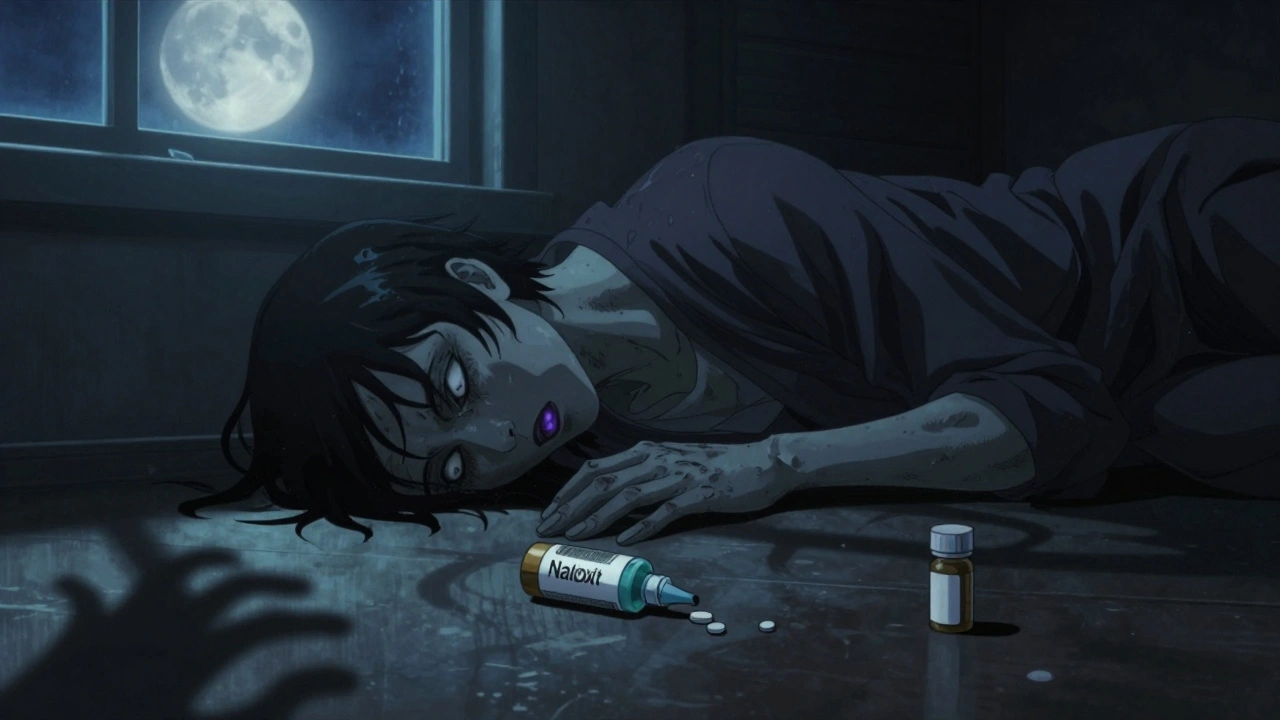
Opioid Overdose: How to Recognize Symptoms and Use Naloxone to Save a Life
Learn how to recognize opioid overdose symptoms and use naloxone to reverse it. Step-by-step guide for bystanders, with real-world data and safety tips to save a life.
read more