Generic Drug Skepticism: Why People Doubt Generic Medications and What Really Matters
When you pick up a prescription, you might see a different name on the bottle than what your doctor wrote. That’s because it’s a generic drug, a medication that contains the same active ingredient as a brand-name drug but is sold without the brand name and at a lower cost. Also known as non-brand drugs, they’re the backbone of affordable healthcare—yet many people still hesitate to use them. This hesitation? That’s generic drug skepticism. It’s not just about price. It’s about fear: fear that the pill won’t work the same, fear that it’s made in a factory overseas with sketchy standards, fear that your body will react differently. And while some of these fears are based on real issues, most aren’t backed by science.
One major reason for this doubt comes from confusion between authorized generics and traditional generics. Authorized generics are made by the same company that makes the brand-name drug—they’re identical in every way, just without the fancy packaging. Traditional generics are made by other companies and must meet FDA standards for bioequivalence, meaning they deliver the same amount of active ingredient into your bloodstream at the same rate. But even when they’re proven safe and effective, people still worry about fillers, dyes, or coatings. That’s where FDA oversight comes in. The FDA doesn’t just approve generics on paper. They inspect manufacturing sites—often unannounced—and check for compliance with strict quality rules called CGMP. If a generic fails, it’s pulled. Yet, stories of price spikes or rare side effects after switching fuel the doubt, even when the drug itself hasn’t changed.
Some of the strongest cases of skepticism come from people managing conditions with a narrow therapeutic index—like warfarin or thyroid meds. For these, even tiny differences in absorption can matter. That’s why doctors monitor INR levels closely after switching. But here’s the truth: when monitored properly, switching to a generic is safe for almost everyone. The real issue isn’t the generic itself—it’s inconsistent communication. Patients aren’t told why the switch happened, what to watch for, or that their pharmacist is legally required to use the FDA’s Orange Book to verify therapeutic equivalence before substituting. Without that context, doubt grows. Meanwhile, the cost savings are real: generics save Americans over $300 billion a year. That’s not a small detail. It’s life-changing for people choosing between medicine and rent.
So where does the skepticism come from? Sometimes it’s misinformation. Sometimes it’s bad experiences with a specific batch or manufacturer. But mostly, it’s lack of transparency. The system works—when you understand it. Below, you’ll find clear, no-fluff breakdowns of how generics are made, tested, and approved. You’ll learn why authorized generics are your safest bet, how to spot if your drug was made overseas, what pharmacists actually check before filling your script, and why some drugs like warfarin need extra care. No marketing. No jargon. Just what you need to know to make smart choices without fear.
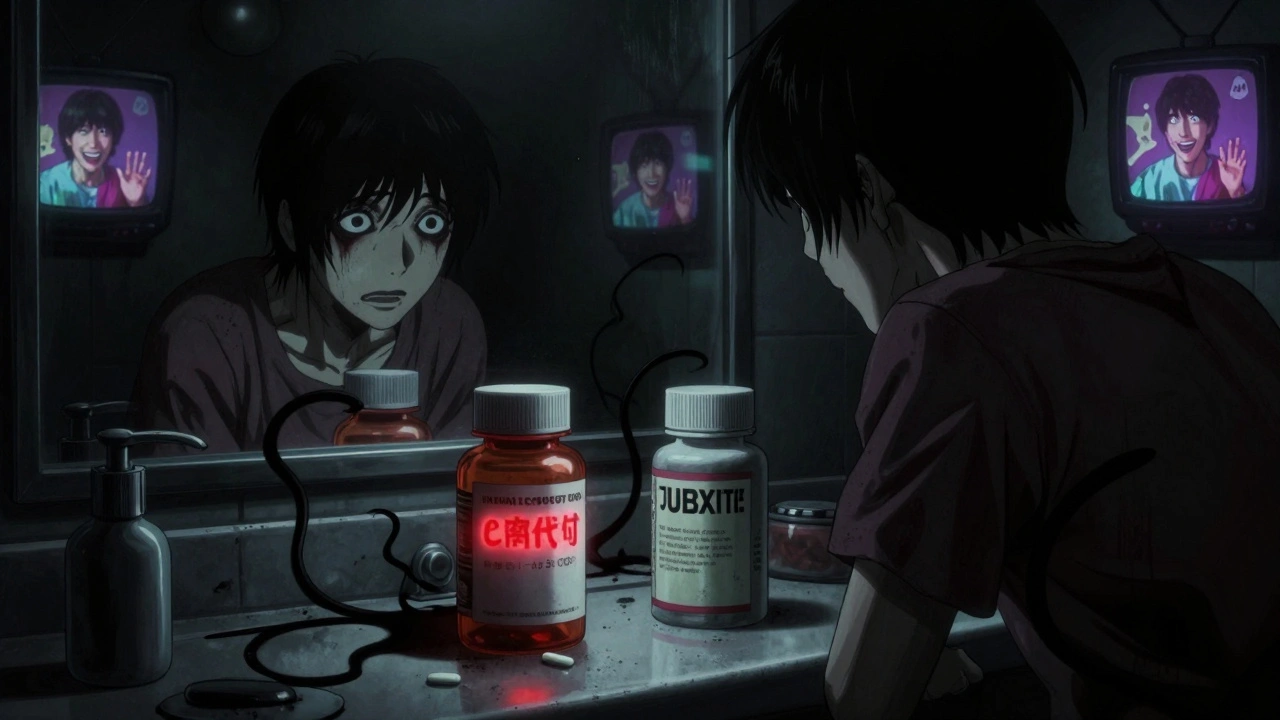
Why Patients Stick to Brand-Name Medications Despite Higher Costs
Patients often choose expensive brand-name medications over cheaper generics-not because they work better, but because they feel safer. This article explores why brand loyalty persists in healthcare, from psychological trust to real-world experiences.
read more