Patient Preference for Brand Medications
When it comes to prescription drugs, patient preference for brand medications, the tendency of some individuals to choose name-brand drugs over cheaper generic versions despite identical active ingredients. Also known as brand loyalty in pharmacy, this behavior isn’t just about marketing—it’s tied to real experiences, trust, and sometimes, fear of change. Even though the FDA says generics work the same way, many people still believe the brand version is stronger, safer, or more reliable. This isn’t always rational, but it’s common—and it affects everything from out-of-pocket costs to treatment adherence.
One major reason behind this preference is therapeutic equivalence, the official FDA determination that a generic drug performs the same as its brand-name counterpart in the body. But patients don’t always see that label. When someone switches from, say, Lipitor to atorvastatin and feels different—even if their blood work hasn’t changed—they blame the generic. That’s especially true for drugs with a narrow therapeutic index, medications where tiny changes in dosage or absorption can lead to serious side effects or treatment failure. NTI drugs like warfarin, levothyroxine, or seizure meds are prime examples. Studies show patients on warfarin who switch generics often have more INR fluctuations, even when the drugs are technically equivalent. That’s not because the generic is worse—it’s because the body is sensitive, and any change triggers anxiety.
Then there’s the role of generic switching, the practice of pharmacies substituting brand drugs with generics unless the doctor or patient says no. automatic substitution is standard in most states, but not everyone is comfortable with it. Older adults, people managing multiple conditions, or those who’ve had bad experiences in the past often resist. They remember when a generic made them drowsy, or when a different manufacturer changed the pill’s color and they panicked. These aren’t just myths—they’re real stories that shape behavior. And in some cases, like with authorized generics, the exact same drug as the brand, just sold under a different label, patients get the same product without the brand name. Yet even then, many still ask for the original.
It’s not just about pills. It’s about control. When you’ve been on a medication for years, it becomes part of your routine. The shape, size, color, even the way the bottle looks—it all feels familiar. Change that, and you disrupt a sense of stability. For people with chronic illnesses, that stability matters more than cost. Pharmacists know this. Doctors know this. And increasingly, the system is starting to listen: some insurers now require prior authorization before switching high-risk meds, and some prescribers write "Do Not Substitute" on prescriptions—not because generics are unsafe, but because they understand human psychology.
What you’ll find below are real, practical stories and facts about how these choices play out. From how pharmacists verify equivalence to why some generics cost more than others, from warfarin monitoring to the hidden risks of cumulative anticholinergic burden, these posts don’t just explain the science—they show you how real people navigate it. Whether you’re a patient wondering if you should switch, a caregiver worried about side effects, or just someone trying to understand why your neighbor still buys name-brand ibuprofen, this collection gives you the full picture—no fluff, no jargon, just what you need to know.
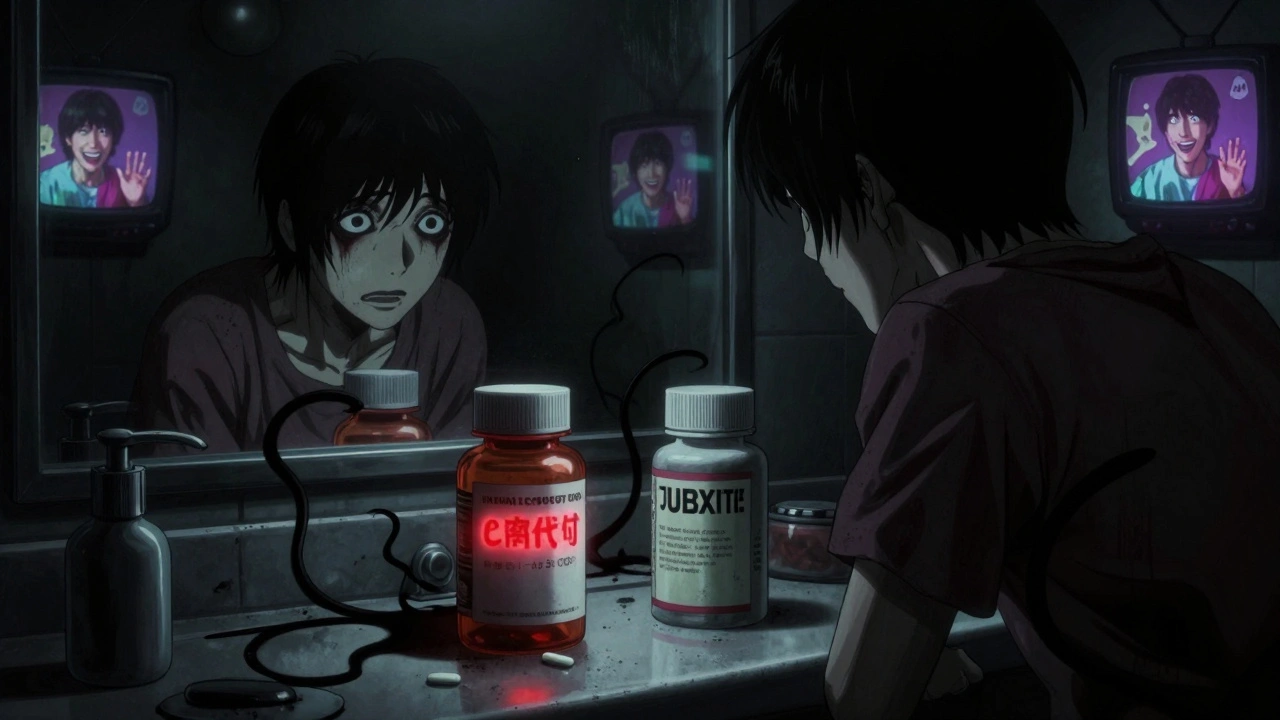
Why Patients Stick to Brand-Name Medications Despite Higher Costs
Patients often choose expensive brand-name medications over cheaper generics-not because they work better, but because they feel safer. This article explores why brand loyalty persists in healthcare, from psychological trust to real-world experiences.
read more