NAFLD: What It Is, How It Affects Your Liver, and What You Can Do
When your liver stores too much fat—not from drinking alcohol, but from diet, weight, or metabolism—it’s called NAFLD, a condition where excess fat builds up in liver cells without alcohol being the cause. Also known as nonalcoholic fatty liver disease, it’s the most common liver disorder in the U.S., affecting nearly one in three adults. Many people don’t feel anything at first, but over time, that fat can turn into inflammation, scarring, and even liver failure.
NAFLD doesn’t happen alone. It’s closely tied to insulin resistance, when your body stops responding properly to insulin, leading to high blood sugar and fat storage, which is also the root of type 2 diabetes. It’s also linked to metabolic syndrome, a cluster of conditions including high blood pressure, belly fat, and abnormal cholesterol levels. These aren’t just separate problems—they feed into each other. If your liver can’t process fats and sugars the way it should, drugs like statins or blood thinners may build up dangerously, as explained in posts about liver disease and drug metabolism. Your liver isn’t just filtering toxins—it’s managing your whole metabolic system.
What makes NAFLD tricky is that it often flies under the radar. No symptoms. No pain. Just a quiet buildup of fat. But the damage adds up. And once it moves into the more serious form—NASH, or nonalcoholic steatohepatitis—the liver starts scarring. That’s when you start seeing real risk: cirrhosis, liver cancer, or needing a transplant. The good news? Early on, NAFLD can reverse. Weight loss, even just 5-10% of body weight, can shrink that fat. Cutting back on sugar, especially fructose in sodas and processed foods, helps more than you’d think. And exercise? It doesn’t have to be intense. Just moving more every day improves how your liver handles fat.
You’ll find posts here that dig into how liver problems change the way your body handles meds—like how reduced clearance affects dosing for opioids or blood thinners. Others explain how drugs like Tricor or statins interact with liver health. There’s even a piece on anticholinergic burden, which matters because many older adults with NAFLD also take meds for sleep, allergies, or bladder issues that can make liver problems worse. This isn’t just about one organ—it’s about how your whole system connects. If you’re managing weight, diabetes, or just wondering why your doctor keeps mentioning your liver, this collection gives you the real picture—not the hype, not the fluff, just what works and what to watch for.
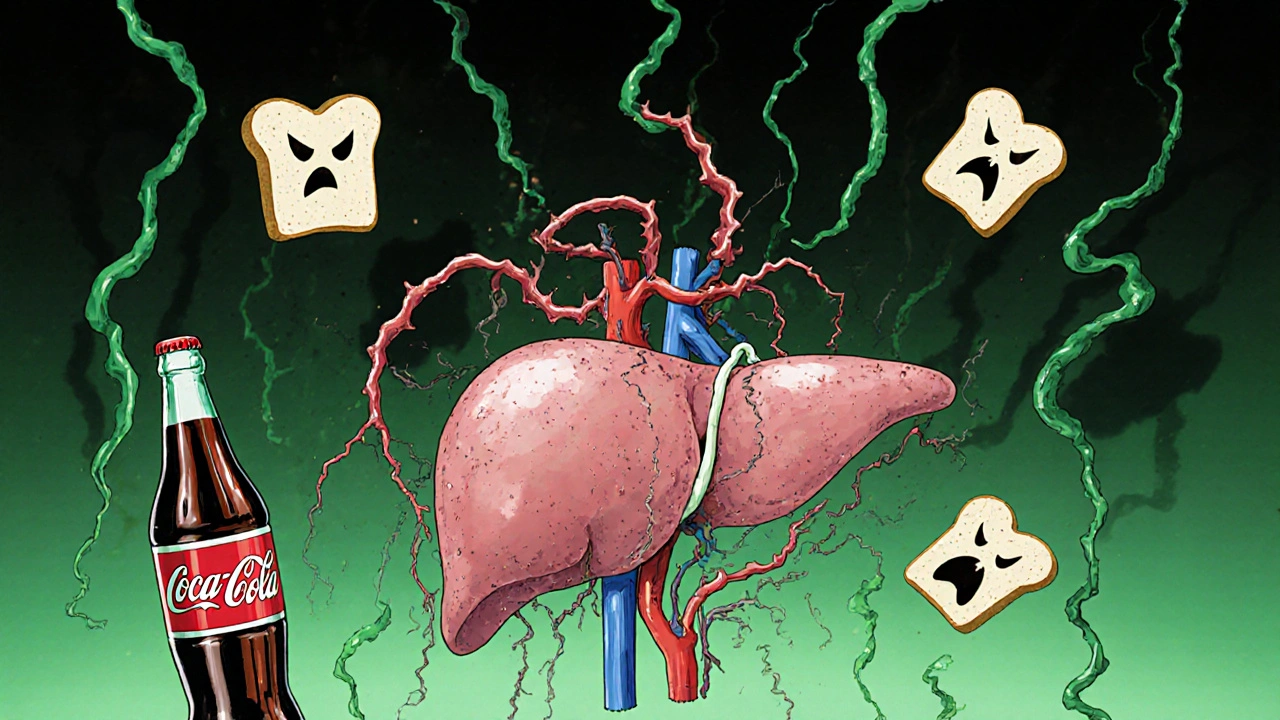
Nonalcoholic Fatty Liver Disease: How It Progresses and How to Reverse It
Nonalcoholic fatty liver disease (NAFLD) is the most common liver condition worldwide, often linked to insulin resistance and obesity. Learn how it progresses to NASH and fibrosis-and how diet, exercise, and weight loss can reverse it-even without medication.
read more