Hatch-Waxman Act: How It Made Generic Drugs Affordable and Accessible
When you pick up a generic pill at the pharmacy, you’re benefiting from the Hatch-Waxman Act, a 1984 U.S. law that balanced drug innovation with affordable access by creating a fast-track approval system for generic medicines. Also known as the Drug Price Competition and Patent Term Restoration Act, it’s the reason you can buy the same medicine as brand-name drugs for a fraction of the cost.
This law didn’t just lower prices—it fixed a broken system. Before 1984, generic makers had to run full clinical trials just to prove their drug worked, even if it was chemically identical to the brand. That made generics too expensive to produce. The Hatch-Waxman Act changed that by letting generic companies prove their drugs are therapeutic equivalence, meaning they work the same way in the body as the original through bioequivalence studies instead. It also gave brand-name companies a limited patent extension to make up for time lost during FDA review, so innovation didn’t get punished.
The result? Today, nearly 9 in 10 prescriptions in the U.S. are filled with generics. But it’s not just about cost. The Act created the Abbreviated New Drug Application, the FDA’s official pathway for approving generics without repeating expensive clinical trials—the same process that’s still used today. It also forced transparency: the FDA’s Orange Book, a public database listing approved drug products with therapeutic equivalence evaluations lets pharmacists and doctors know which generics can be safely swapped. This is why your pharmacist can legally switch your brand-name drug to a generic without asking your doctor—because the law says they’re interchangeable.
But the Hatch-Waxman Act didn’t just help patients. It reshaped the entire pharmaceutical industry. It gave small generic manufacturers a fair shot against big pharma, which is why today, most generic drugs are made overseas—under the same FDA rules. It also created the legal foundation for authorized generics, brand-name drugs sold under a generic label by the original maker, giving consumers even more options. And it set the stage for future battles over biosimilars, patent evergreening, and drug pricing—issues still hot today.
What you’ll find in these articles isn’t just history. It’s the real-world impact of that 1984 law: how pharmacists verify generic equivalence, why warfarin switching needs careful monitoring, how foreign manufacturing affects safety, and why some patients still choose expensive brands even when generics are available. These stories all tie back to the Hatch-Waxman Act—the quiet law that made affordable medicine possible for millions.
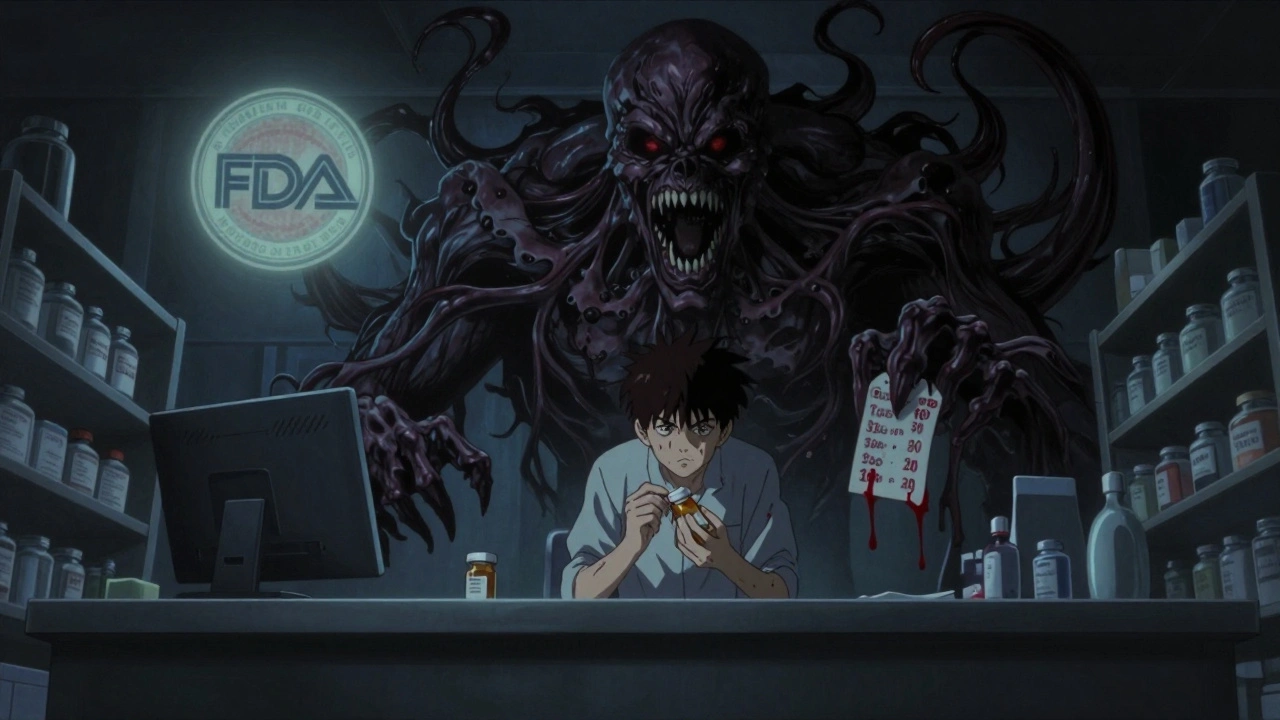
First Generic Approval: Why It Matters and What It Means for Drug Prices and Access
First generic approval by the FDA unlocks 180 days of exclusive rights for the first company to launch a cheaper version of a brand-name drug, driving down prices and saving billions in healthcare costs - but it’s a complex, high-stakes race with legal and supply chain challenges.
read more