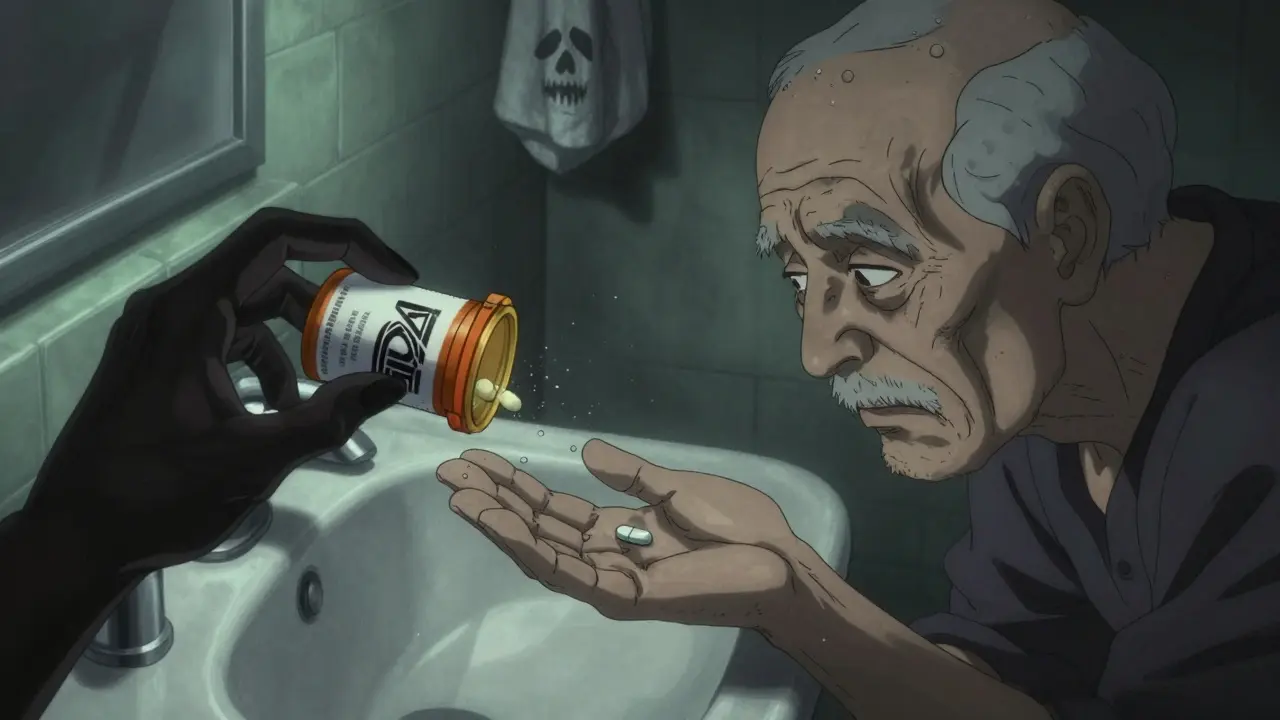
When your doctor hands you a prescription and says, "This is the generic version," what’s the first thing you think? For many patients, it’s not about cost-it’s about safety. Even though the FDA says generic drugs are just as safe and effective as brand-name ones, a surprising number of people still believe otherwise. Why? It’s not because the science is wrong. It’s because perception doesn’t always follow data.
Why Do People Think Generics Are Less Safe?
The idea that generics are inferior didn’t come from nowhere. It’s rooted in psychology, not pharmacology. People associate price with quality. If a pill costs $2 instead of $20, the brain automatically assumes it’s less powerful, less pure, maybe even less trustworthy. This isn’t just about money-it’s about control. When you’re managing a chronic condition like high blood pressure or depression, you don’t want to gamble with your health. The thought of switching to something cheaper feels risky, even if the science says it’s not. Studies show that 20% to 40% of patients aren’t sure if generics work the same as brand-name drugs. One in five actually believes they’re less safe. These aren’t random fears-they’re shaped by real experiences. A patient might switch to a generic version of sertraline and suddenly feel worse. Their doctor says, "It’s the same drug," but the patient feels different. That personal story sticks. It overrides the FDA’s bioequivalence standards, which say generics must deliver the same amount of active ingredient within 80-125% of the brand-name version.Who’s Most Likely to Doubt Generics?
Not everyone views generics the same way. Risk perception varies sharply by age, education, income, and race. Older adults-especially those over 60-are more worried about side effects. One study found 31.9% of seniors feared generics would cause more problems, compared to just 24.7% of younger adults. Why? They’ve been on medications longer. They’ve seen what side effects feel like. And when a new pill looks different-smaller, a different color, a new logo-it feels unfamiliar. That triggers anxiety. People with lower education levels are nearly twice as likely to think generics are dangerous. Those with less than a high school diploma were 1.95 times more likely to believe generics were unsafe than those with college degrees. The same group was also more likely to think generics required higher doses to work. That’s a dangerous misunderstanding. Generics aren’t weaker-they’re identical in strength. But without clear explanations, patients fill in the gaps with fear. Race matters too. Black and Hispanic patients are 1.8 times more likely than White patients to express safety concerns about generics. This isn’t about distrust in science-it’s about distrust in systems. Historical inequities in healthcare, combined with inconsistent communication from providers, leave many patients feeling like they’re being offered the "second-tier" option.Where Do These Beliefs Come From?
Patients don’t form these opinions in a vacuum. They get their information from doctors, pharmacists, TV ads, Reddit threads, and stories from friends. Doctors play the biggest role. If your doctor says, "This generic is fine," you’re 3.2 times more likely to accept it. But too often, that conversation never happens. A prescription is handed over, and the patient leaves without ever hearing why the switch is safe. Even worse, some doctors avoid mentioning generics altogether-either because they’re unsure themselves, or because they fear pushback. Pharmacists are often the last line of defense. But in most U.S. pharmacies, the average counseling time for a generic substitution is just 47 seconds. That’s not enough to explain bioequivalence, address fears, or answer questions about inactive ingredients. And yet, patients who actually talk to their pharmacist about generics are 37% more likely to stick with them. Online forums add fuel to the fire. On Reddit’s r/pharmacy, users share stories like: "I switched to generic bupropion and had panic attacks. Went back to brand-instant relief." These anecdotes are powerful. Even though the FDA found only a small number of cases where generic bupropion XL had issues in 2012, those stories live on. On PatientsLikeMe, nearly 40% of users who switched to generics reported different side effects. That doesn’t mean the drugs are unsafe-it means some people experience subtle differences in how their body reacts to fillers, coatings, or release mechanisms. Those differences are real to the patient, even if they’re not clinically significant.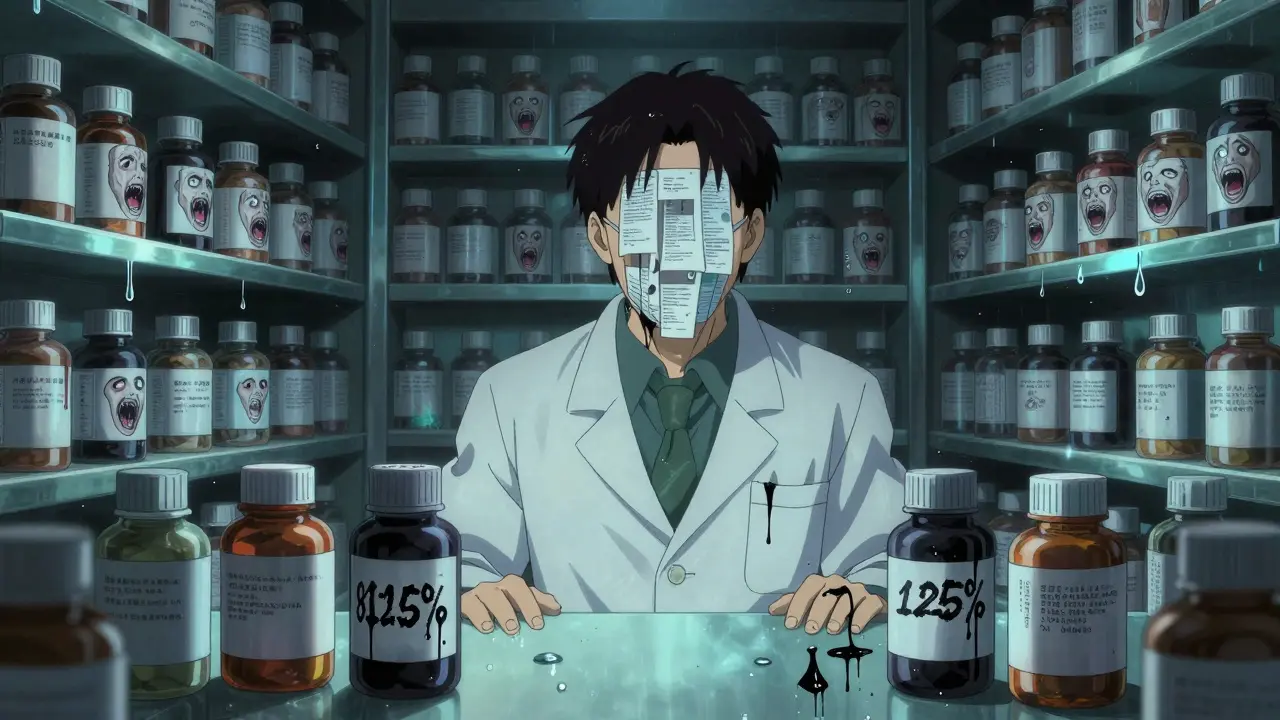
The Gap Between Science and Experience
Here’s the core problem: science measures population averages. Patients experience individual outcomes. The FDA approves generics based on averages across hundreds of people. But your body isn’t an average. You might be more sensitive to a slight change in how the drug is absorbed. You might have a reaction to a dye or filler that wasn’t in your brand-name version. That doesn’t mean the generic is unsafe-it means your body reacted differently. But in a system that doesn’t explain that nuance, patients assume the worst. And when your blood pressure spikes after switching to a generic, or your depression returns, it’s easy to blame the drug. You don’t know about pharmacokinetic variability. You don’t know about the 80-125% range. All you know is: "This didn’t work like before." The result? Even though 70% of patients agree generics save money, nearly half have asked for a brand-name drug in the past year. That’s the disconnect: people know generics are cheaper, but they don’t trust them enough to use them.What Works to Change Minds?
The good news? Education works-when it’s done right. A 2017 study found that educational materials designed for low-health-literacy patients reduced safety concerns by 42%. These weren’t brochures full of FDA jargon. They used simple language, clear visuals, and real-life examples. One used a comparison: "Think of generics like store-brand aspirin. Same active ingredient, different packaging." Timing matters too. Patients who get information about generics at the moment they’re prescribed are 2.8 times more likely to accept them. That means the conversation needs to happen before the patient leaves the office-not weeks later, when they’re already anxious. AARP’s guide to generics scored 4.5 out of 5 for clarity. The FDA’s own guide? Only 3.2. That’s because AARP focused on what patients actually care about: "Will this work? Is it safe? What if it doesn’t feel the same?" The FDA’s version was too technical. Even small changes help. Some pharmacies now put stickers on generic bottles: "FDA-approved. Same active ingredient as [Brand Name]." That simple message reduces uncertainty.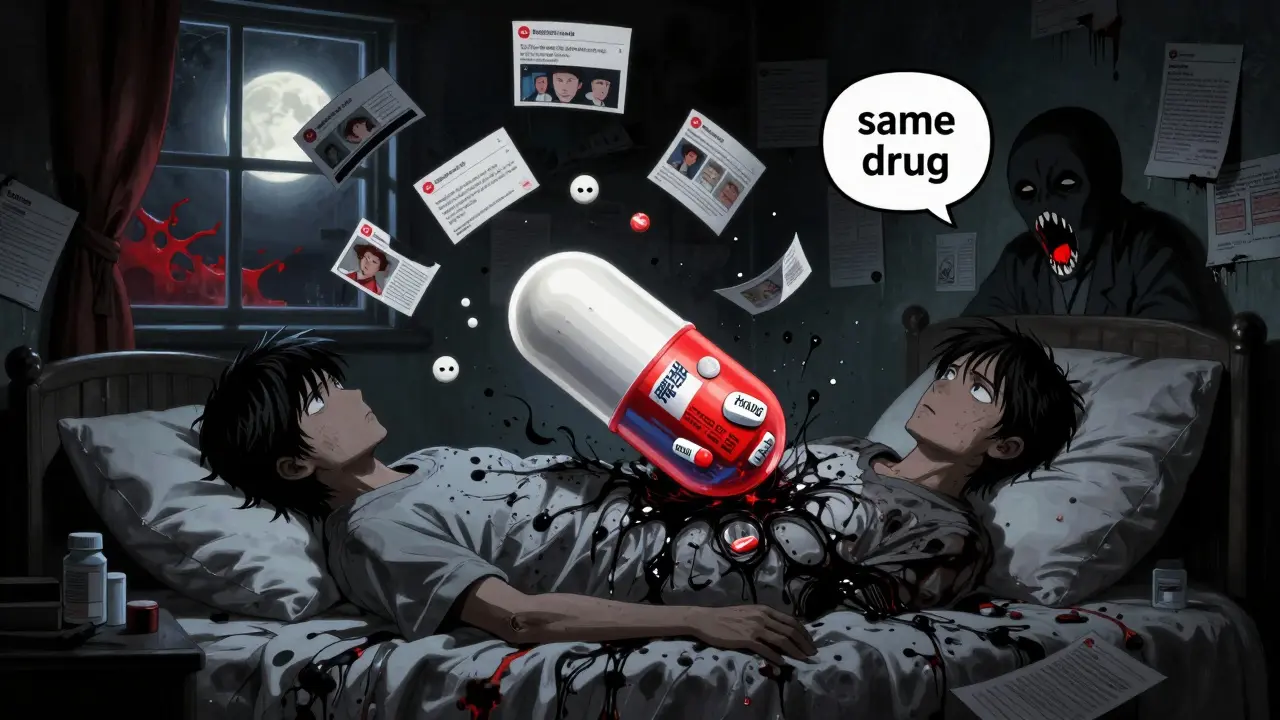
The Cost of Doubt
This isn’t just about trust-it’s about money. Generics make up 90% of prescriptions in the U.S., but only 23% of drug spending. That’s $370 billion saved every year. But because of safety fears, patients still pay for brand-name drugs they don’t need. The Congressional Budget Office estimates that unnecessary brand-name prescriptions cost the system $8 billion annually. And it’s worse for Medicare patients. Plans that charge $0 for generics see 18% higher usage than those with tiered copays. When cost isn’t a barrier, safety concerns become the main obstacle. Brand-name companies know this. That’s why they sell their own drugs as "authorized generics"-same formula, same factory, different label. It’s a clever trick. It makes patients think, "If the brand makes a generic, maybe the other generics aren’t as good."What’s Next?
New tools are emerging. Machine learning models can now predict which patients are most likely to resist generics-with 87% accuracy-based on age, education, race, and past behavior. That means clinics can target interventions before the prescription is even filled. The FDA’s 2023 Education and Outreach Plan is finally addressing this with multilingual campaigns. Early results show a 15% drop in safety concerns among Spanish-speaking patients. But long-term change needs more than campaigns. It needs consistent, empathetic communication from every provider who touches the patient’s care. It needs pharmacists given time to talk. It needs doctors trained to explain bioequivalence without jargon. Until then, the gap between science and perception will remain. And patients will keep wondering: "How do I know which batch they gave me?"They’re not asking about chemistry. They’re asking for reassurance.

Arlen Whitlock
My name is Arlen Whitlock, and I am an expert in the field of pharmaceuticals. With a deep passion for understanding medications and their effects on various diseases, I have dedicated my life to researching and developing innovative drug therapies. I also have a keen interest in dietary supplements and their potential interactions with medication. Sharing my knowledge and insights with others is one of my greatest passions, and I fulfill this by writing about the latest advancements in medication, the treatment of various diseases, and the role of supplements in health. Through my work, I hope to contribute to the betterment of public health and the well-being of patients around the world.