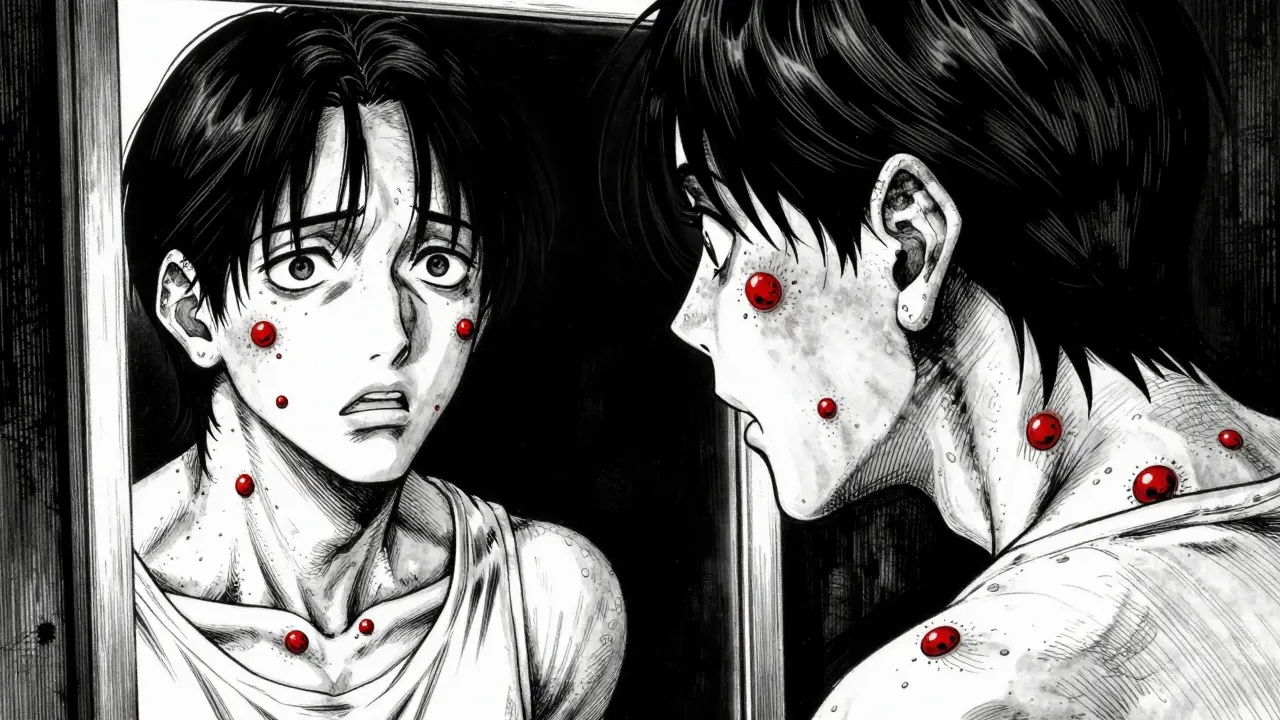
Imagine starting a new medication and feeling fine for a month, only to suddenly wake up with a high fever, a full-body rash, and swollen glands. Most people assume a drug allergy happens immediately, but Drug Reaction with Eosinophilia and Systemic Symptoms is a severe, potentially life-threatening hypersensitivity reaction that often doesn't show up until weeks after you've started a drug. Also known as DRESS syndrome or Drug-Induced Hypersensitivity Syndrome (DIHS), this isn't your typical itchy rash. It is a systemic attack where your immune system goes into overdrive, affecting your skin and internal organs simultaneously.
What exactly is DRESS syndrome?
DRESS is classified as a Severe Cutaneous Adverse Reaction (SCAR). Unlike a simple allergic reaction, DRESS involves a complex dance between CD4+ T cells and eosinophils-a type of white blood cell usually responsible for fighting parasites. In DRESS, these cells mistakenly attack your own tissues. This leads to a characteristic triad: high fever (over 38°C), a widespread skin eruption, and a spike in eosinophils in the blood.
One of the scariest parts about DRESS is the latency period. You might be on a medication for 2 to 8 weeks before the first symptom appears. This delay often confuses both patients and doctors, who might mistake the early flu-like symptoms for a common cold or a viral infection, delaying the critical step of stopping the drug.
The red flags: Recognizing the symptoms
DRESS doesn't happen overnight. It usually starts with a "prodrome"-a few days of feeling generally unwell. You might experience a sore throat, malaise, and swollen lymph nodes. Then, the fever hits, and within 24 to 48 hours, the rash appears.
The skin eruption is most commonly morbilliform, meaning it looks like measles-small, red, raised bumps that merge together. However, it can also look like blisters or purple spots. While the skin is the most visible sign, the real danger lies beneath the surface. The syndrome often attacks the liver, kidneys, and lungs. In many cases, liver enzymes like ALT can skyrocket to over 1,000 U/L, signaling severe hepatic inflammation.
| Feature | DRESS Syndrome | SJS / TEN |
|---|---|---|
| Latency Period | Long (2-8 weeks) | Short (1-4 weeks) |
| Skin Appearance | Measles-like rash; swelling | Blistering; skin peeling (sloughing) |
| Organ Involvement | High (Liver, Kidney, Lungs) | Primarily mucosal membranes |
| Blood Markers | High Eosinophils | Low/Normal Eosinophils |
| Mortality Rate | ~10% | 5% (SJS) to 40% (TEN) |

Common culprit drugs and risk factors
Not all medications cause DRESS, but a few specific types are frequent offenders. Allopurinol, used to treat gout, is the most common trigger, accounting for nearly half of all cases. Interestingly, people with existing kidney issues are at much higher risk when taking allopurinol. In Asian populations, a specific genetic marker called the HLA-B*58:01 allele makes a person significantly more likely to react poorly to this drug.
Other high-risk medications include:
- Antiepileptics: Carbamazepine, phenytoin, and lamotrigine.
- Antibiotics: Sulfonamides are common triggers.
- Others: Certain antipsychotics and some anti-inflammatory drugs.
The biological trigger is often a "perfect storm." The drug triggers the immune system, and in about 60-70% of cases, this creates an opportunity for the Human Herpesvirus 6 (HHV-6) to reactivate. This virus doesn't cause the reaction alone, but its reactivation can make the syndrome last longer and feel more severe.
How is DRESS treated and managed?
The absolute first priority is to stop the offending medication immediately. If the drug is cut off within 24 hours of recognizing symptoms, the chance of survival increases dramatically. However, because the immune system is already in an "activated" state, simply stopping the drug isn't always enough to stop the attack.
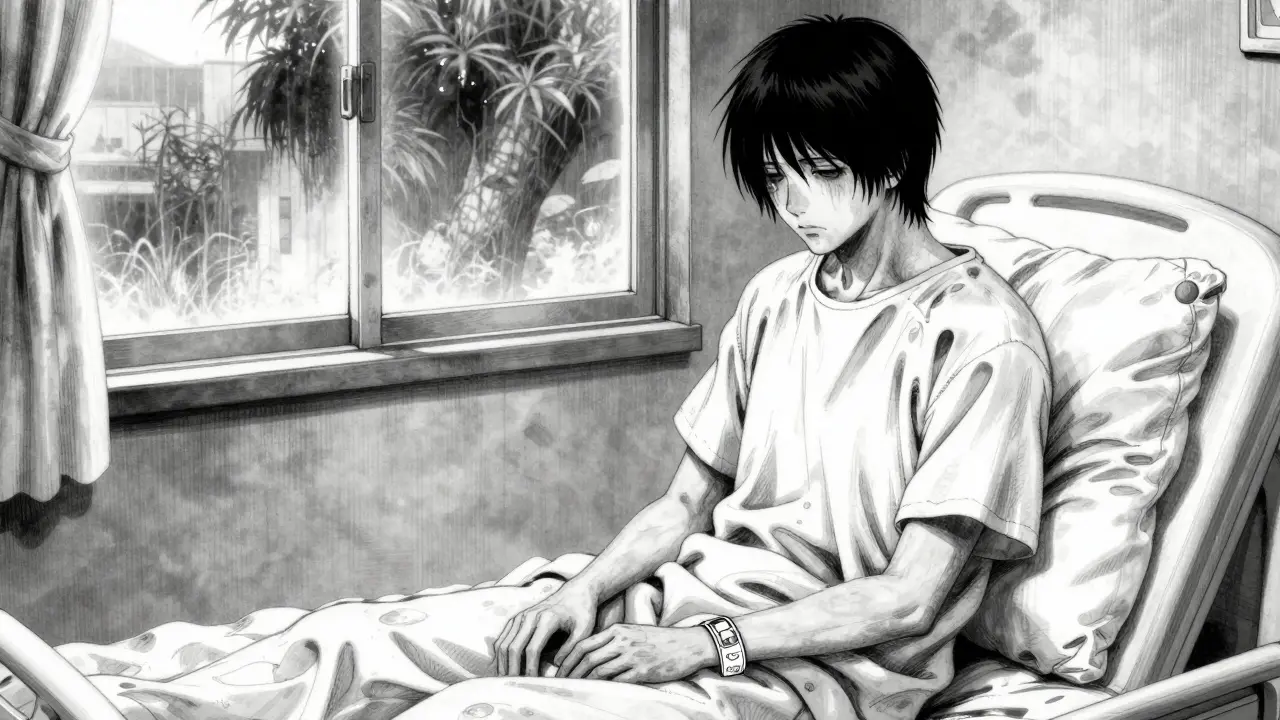
Most patients require hospitalization for two to three weeks. The primary tool for calming the immune system is Corticosteroids, such as prednisone. These are given at high doses and then slowly tapered off over several weeks. For severe cases that don't respond to steroids, doctors may use newer biological treatments like anakinra, which blocks specific inflammatory signals (IL-1) to reduce organ damage.
Monitoring is intense during the acute phase. Doctors will perform daily blood tests to check liver function (AST/ALT) and kidney health (creatinine levels). Because steroids suppress the immune system, patients are also at higher risk for secondary infections from bacteria like Staphylococcus aureus or fungi like Candida albicans, requiring strict infection control in the hospital.
The road to recovery and long-term outlook
Recovery from DRESS is often a slow process. Even after the rash fades and the fever breaks, the body remains in a hyper-reactive state. Some patients develop autoimmune issues months after the initial event. For example, there are documented cases of people developing Graves' disease or other thyroid issues long after their DRESS symptoms resolved.
About 20-30% of survivors deal with persistent organ damage, particularly in the kidneys. This means a lifelong relationship with a nephrologist for some. To prevent future episodes, it is vital to keep a precise record of the trigger drug and share it with every healthcare provider you visit. A simple medical alert bracelet can be a lifesaver, as taking the trigger drug again can cause a much faster and more severe recurrence.
Is DRESS syndrome the same as a typical drug allergy?
No. A typical drug allergy usually happens quickly (minutes to hours) and often involves hives or anaphylaxis. DRESS is a systemic hypersensitivity syndrome that takes weeks to develop and involves internal organ inflammation and specific white blood cell changes (eosinophilia).
Can DRESS be cured?
Yes, most people recover fully if the drug is stopped early and steroids are administered. However, the "cure" involves managing the inflammation and monitoring for long-term organ damage or autoimmune side effects.
Why does it take so long for symptoms to appear?
The long latency (2-8 weeks) is due to the way the immune system processes the drug. It takes time for the T-cells to become sensitized and for the inflammatory cascade-including the potential reactivation of viruses like HHV-6-to reach a threshold that causes visible symptoms.
What should I do if I suspect I have DRESS?
Seek emergency medical care immediately. Tell the doctor every medication and supplement you have started in the last two months. Early diagnosis and immediate cessation of the trigger drug are the most critical factors in preventing organ failure.
Can I ever take the offending drug again?
Absolutely not. Once you have had a DRESS reaction to a specific medication, that drug (and often others in the same chemical family) is strictly contraindicated. Re-exposure can lead to a rapid, life-threatening recurrence.
Next steps and troubleshooting
If you are a caregiver or patient currently navigating DRESS, the first step is organizing your medical records. Ensure your primary doctor, dermatologist, and any specialists (like a hepatologist or nephrologist) are all communicating. If recovery is slow, ask your medical team about a "tapering schedule" for your steroids to avoid withdrawal symptoms.
For those with chronic kidney disease who need urate-lowering therapy, talk to your doctor about alternatives to allopurinol, such as febuxostat, which may carry a lower risk of triggering this specific syndrome. Always insist on a full blood count and liver panel if you develop a fever while starting any new medication.

Arlen Whitlock
My name is Arlen Whitlock, and I am an expert in the field of pharmaceuticals. With a deep passion for understanding medications and their effects on various diseases, I have dedicated my life to researching and developing innovative drug therapies. I also have a keen interest in dietary supplements and their potential interactions with medication. Sharing my knowledge and insights with others is one of my greatest passions, and I fulfill this by writing about the latest advancements in medication, the treatment of various diseases, and the role of supplements in health. Through my work, I hope to contribute to the betterment of public health and the well-being of patients around the world.