Generic Switching: What It Means and Why It Matters for Your Health
When you hear generic switching, the practice of replacing a brand-name drug with a chemically identical generic version. Also known as drug substitution, it’s one of the most common ways to cut prescription costs without losing effectiveness. But it’s not just about price. Generic switching involves science, regulation, and sometimes, unexpected risks.
Behind every generic drug is a strict process called the ANDA process, the FDA’s Abbreviated New Drug Application system that lets manufacturers prove their version works just like the brand. It doesn’t require new clinical trials—instead, companies must show pharmaceutical equivalence, meaning the generic has the same active ingredient, strength, and dosage form. But that’s only part of the story. For a switch to be safe, it also needs therapeutic equivalence, proof that the drug performs the same way in your body. The FDA uses the Orange Book to track which generics meet this standard. Pharmacists rely on it every day when filling prescriptions.
Not all switches are equal. Some drugs, like blood thinners or seizure meds, have narrow therapeutic windows—tiny differences in absorption can cause real harm. That’s why doctors don’t just swap drugs blindly. They check for rifampin induction, a powerful enzyme interaction that can make other drugs stop working, or watch for cumulative anticholinergic burden, where multiple medications combine to harm cognition in older adults. Even where generics are approved, manufacturing matters. Over half of U.S. generics come from foreign labs, and FDA oversight, while improving, still faces gaps in unannounced inspections.
Price swings also complicate things. One generic can drop 80% in a year, then spike 200% the next. That’s not random—it’s market consolidation, supply chain issues, or single-source production. Medicare Part D rules, state laws, and insurance formularies all shape what you can switch to. And sometimes, the brand stays cheaper than the generic—yes, that happens.
What you’ll find below isn’t just theory. These posts break down real cases: how pharmacists verify equivalence, why some generics fail silently, how foreign manufacturing affects safety, and what to do when your insurance forces a switch you’re not sure about. Whether you’re a patient trying to save money, a caregiver managing meds for someone else, or a healthcare worker making decisions, this collection gives you the facts you need—no fluff, no jargon, just what works.
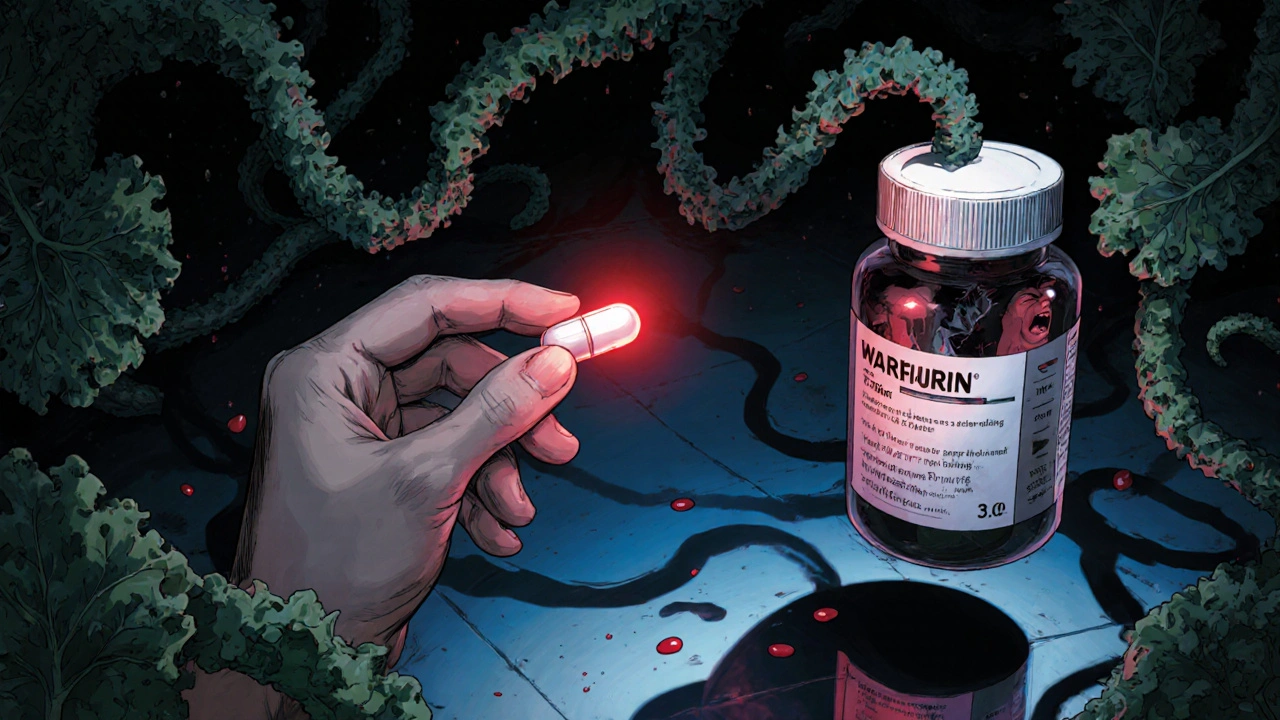
Warfarin and Generic Switching: What You Need to Know About INR Monitoring and Safety
Switching from brand-name warfarin to a generic version can be safe-but only with careful INR monitoring. Learn why even small changes in formulation matter, how to protect yourself from bleeding or clots, and what steps to take after a switch.
read more