Alcoholic Liver Disease: Causes, Progression, and How Medications Affect Your Liver
When you drink alcohol regularly, your alcoholic liver disease, a condition caused by long-term alcohol use that damages liver cells and impairs function. Also known as alcohol-related liver damage, it doesn’t happen overnight—it builds quietly over years, often without symptoms until it’s advanced. This isn’t just about getting drunk. It’s about how your liver handles the constant chemical load. Every time you drink, your liver breaks down alcohol into toxins. Over time, those toxins scar the tissue, block blood flow, and reduce the organ’s ability to do its job: filtering drugs, storing energy, and making proteins.
Alcoholic liver disease doesn’t stay in one place. It moves through stages: first, fatty liver, a reversible buildup of fat in liver cells, then alcoholic hepatitis, inflammation and cell death that can be life-threatening, and finally, cirrhosis, permanent scarring that replaces healthy tissue. Once cirrhosis sets in, the damage is mostly irreversible. But stopping alcohol early can stop the progression—and even reverse some of it. What most people don’t realize is that your liver doesn’t just process alcohol. It processes every pill, every supplement, every medication you take. If your liver is already struggling, even common drugs like painkillers, antibiotics, or blood thinners can become dangerous.
That’s why drug metabolism changes so much with liver disease. A healthy liver clears medications efficiently. A damaged one doesn’t. Drugs build up. Side effects get worse. Doses that were safe before can now cause overdose. This is why people with liver damage need different dosing for everything—from sleep aids to cholesterol meds. Even something as simple as switching from a brand-name warfarin to a generic version can throw off your INR levels if your liver isn’t handling it right. And if you’re taking multiple meds? The risk of harmful interactions climbs fast. Rifampin, for example, can crash the levels of antivirals and anticoagulants. Anticholinergics? They pile up and increase dementia risk in older adults with liver issues. Your liver isn’t just a filter—it’s your body’s chemical control center.
There’s no magic pill to fix alcoholic liver disease. But there are clear steps: stop drinking, eat better, move more, and work with your doctor to adjust every medication you take. The posts below cover exactly that—how liver damage changes how drugs work, why generic switches matter more when your liver is weak, how to spot hidden dangers in your medicine cabinet, and what real-world data shows about survival and recovery. You’ll find practical advice from people who’ve been there, and the science behind why these choices make a difference.
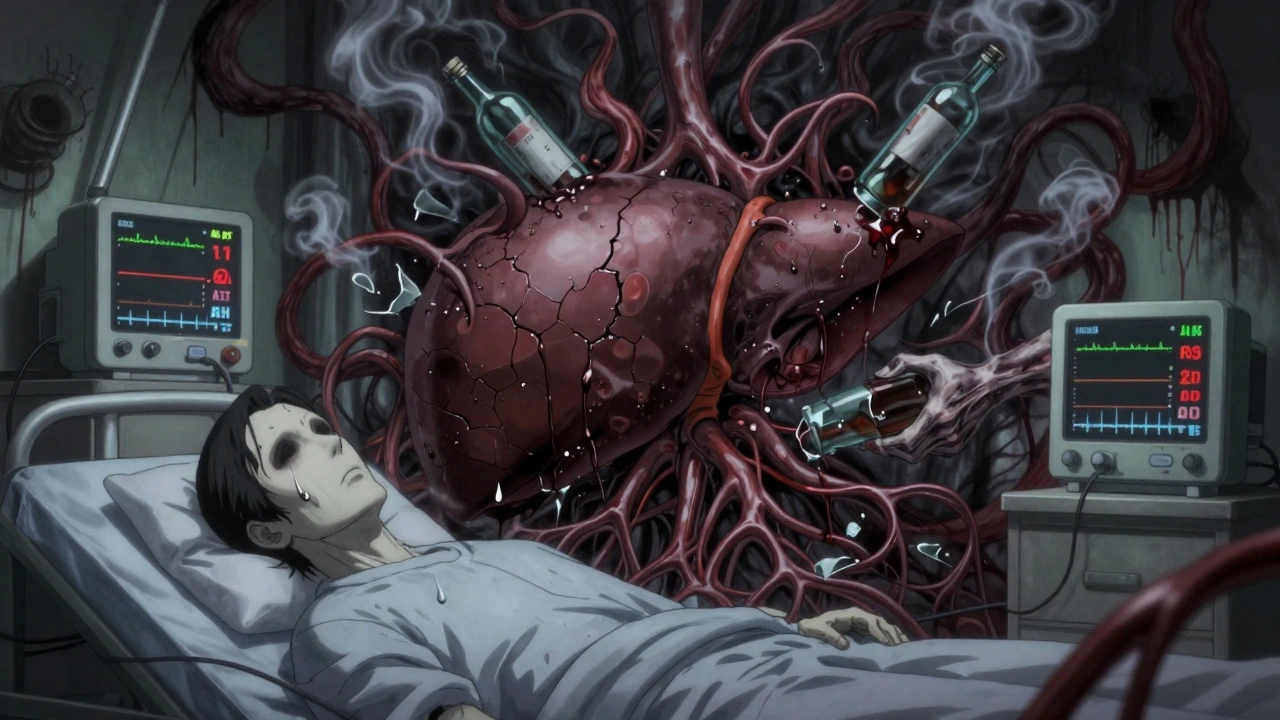
Alcohol Withdrawal and Liver Health: Safe Detox Strategies
Stopping alcohol after long-term use triggers dangerous withdrawal and can worsen liver damage. Learn how medical detox, nutrition, and avoiding toxins like paracetamol help your liver heal safely.
read more