Alcohol Withdrawal: Symptoms, Risks, and What Helps Most
When someone who drinks heavily every day suddenly stops, their body goes through alcohol withdrawal, a physical and psychological reaction to the absence of alcohol after long-term use. Also known as alcohol detox, it’s not just feeling shaky or irritable—it’s a medical event that can trigger seizures, delirium, or even death if not managed properly. This isn’t something to power through alone. The brain adapts to alcohol over time, changing how neurotransmitters like GABA and glutamate work. When alcohol is removed, those systems go into overdrive, causing the body to react as if it’s under extreme stress.
Alcohol dependence, a condition where the body relies on alcohol to function normally is the main reason withdrawal happens. It’s not about willpower—it’s biology. People with this condition often need help to stop safely. Benzodiazepines for withdrawal, medications that calm the nervous system during detox are the gold standard in clinical settings because they reduce seizures and agitation. But they must be used under supervision. Over-the-counter remedies, herbal teas, or cold turkey methods don’t cut it when symptoms escalate.
Withdrawal symptoms usually start within 6 to 12 hours after the last drink. Mild cases bring headaches, nausea, sweating, and anxiety. By 24 to 72 hours, things can get serious: hallucinations, high blood pressure, rapid heartbeat, and confusion. In 5% of cases, delirium tremens kicks in—a medical emergency with a 1 in 10 fatality rate if untreated. That’s why hospitals and clinics monitor vital signs, fluid levels, and brain activity during detox. Even if you’ve quit before without help, each withdrawal can be worse than the last.
What’s often missed is how long recovery takes. Physical symptoms fade in days, but sleep problems, mood swings, and cravings can last weeks or months. That’s when support systems matter—counseling, peer groups, or medication-assisted treatment. Stopping alcohol isn’t the end of the journey; it’s the first step. The good news? With proper care, most people recover fully. The key is recognizing when you need help before it’s too late.
Below, you’ll find real-world guides on what happens during detox, how to recognize warning signs, and which treatments actually work—backed by medical evidence and patient experiences. No fluff. Just what you need to know to stay safe or help someone who is.
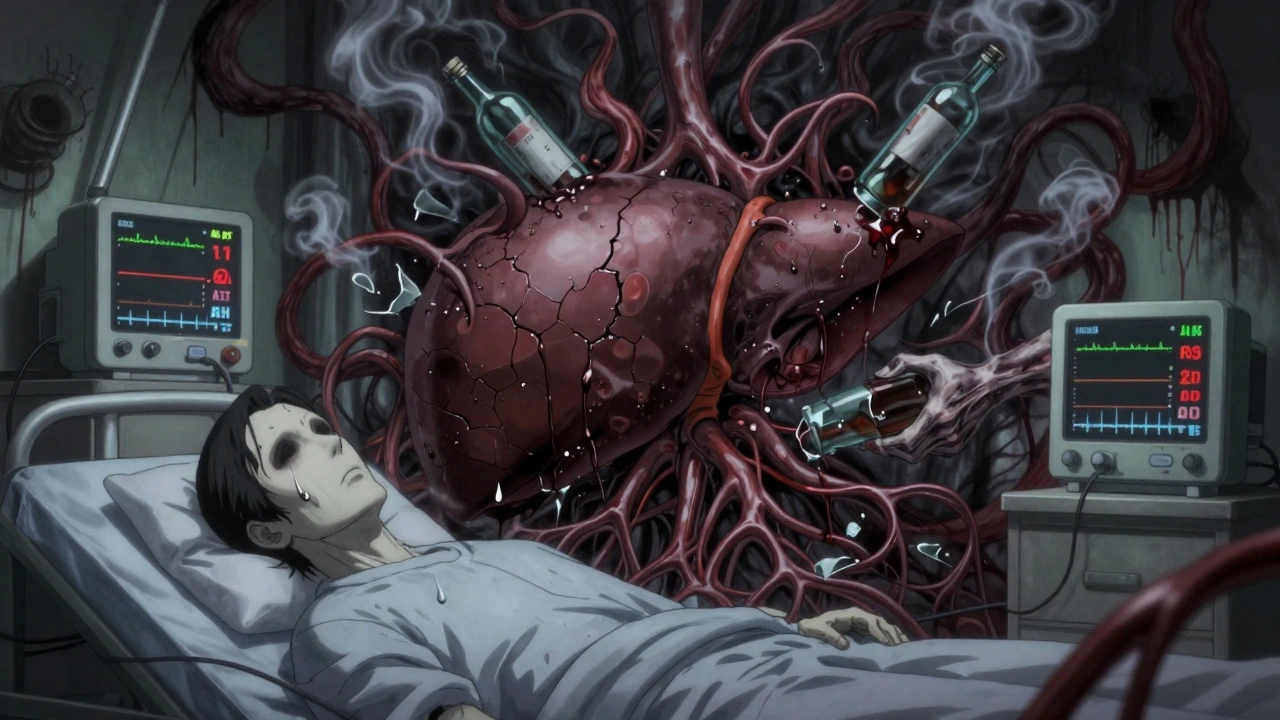
Alcohol Withdrawal and Liver Health: Safe Detox Strategies
Stopping alcohol after long-term use triggers dangerous withdrawal and can worsen liver damage. Learn how medical detox, nutrition, and avoiding toxins like paracetamol help your liver heal safely.
read more