
When someone starts hearing voices that aren’t there, or becomes convinced that strangers are watching them, it’s not just paranoia-it could be the beginning of psychosis. And here’s the truth: psychosis doesn’t come out of nowhere. It creeps in slowly, often disguised as stress, laziness, or teenage moodiness. But if you catch it early, recovery isn’t just possible-it’s likely.
What psychosis really looks like in the beginning
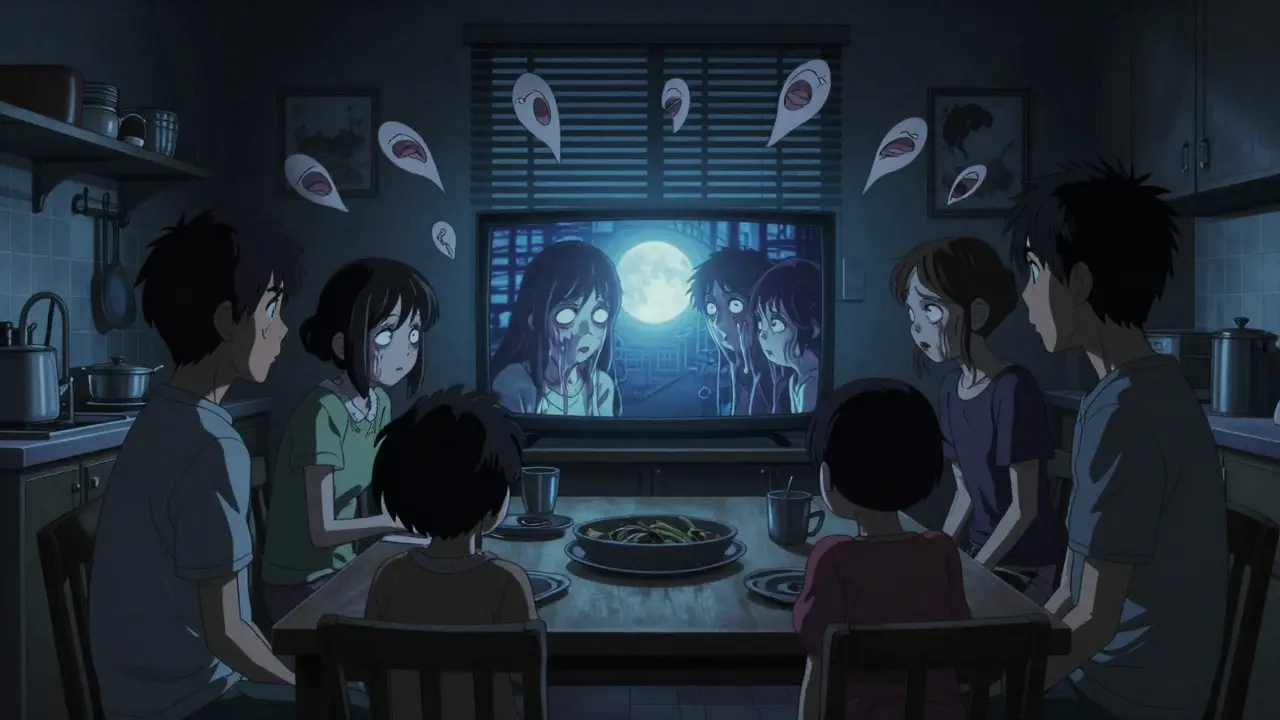
Psychosis isn’t a diagnosis. It’s a signal. Something in the brain is off, and the person starts losing touch with reality. Hallucinations and delusions are the most dramatic signs, but they’re usually the last to show up. Before that, there are quieter, more confusing changes. You might notice a sharp drop in grades or work performance-78% of people in their first psychotic episode show this. Or maybe they’ve stopped hanging out with friends, started sleeping all day, or stopped showering. They might talk in circles, suddenly switching topics mid-sentence, or say things that don’t make sense, like believing the TV is sending them secret messages. Some people feel unusually sensitive-lights seem too bright, sounds too loud. Others become suspicious, thinking people are talking about them even when they’re not. Mood swings are common too: sudden anger, deep sadness, or strange laughter at nothing. Here’s what’s critical: most people who experience early psychosis still know, deep down, that something’s wrong. They might say, “I know this isn’t real, but I can’t make it stop.” That’s the window. That’s when help works best.Why timing matters more than you think
The longer psychosis goes untreated, the harder it becomes to recover. On average, people in the U.S. wait 74 weeks-almost two years-before getting help. That’s not because no one notices. It’s because the signs are easy to miss. Parents think it’s just puberty. Teachers blame burnout. Doctors call it anxiety. But research shows every extra month without treatment makes recovery 5-7% harder. After two years, the brain starts to change in ways that make recovery slower and less complete. That’s why experts call the first 72 hours after symptoms appear the “golden hour.” Not because it’s urgent like a heart attack-but because the sooner treatment starts, the more of the person’s life you can save.What coordinated specialty care actually does
Coordinated Specialty Care (CSC) isn’t just another therapy. It’s a full-team approach built for first-time psychosis. Think of it like a rescue squad that shows up with a plan, not just a pill. CSC programs bring together five key pieces:- Case management: A dedicated worker checks in weekly, sometimes at home, helping with housing, food, transportation-whatever’s blocking recovery.
- Family support: Families get 12-20 sessions of education. They learn what psychosis is, how to respond without panic, and how to support without enabling.
- Therapy: Cognitive Behavioral Therapy for psychosis (CBTp) helps people question strange beliefs without fighting them. It’s not about “fixing” thinking-it’s about learning to live with uncertainty.
- Work and school support: 80% of participants get back into school or a job within three months. No one’s told to “just rest.” They’re helped to rebuild step by step.
- Medication: Antipsychotics are used, but carefully. Doses start low-25-50% of normal-to avoid side effects. The goal isn’t to numb the person, but to quiet the noise enough so they can relearn how to live.
How to get help-step by step
If you’re worried about yourself or someone you love, here’s what to do:- Use the PQ-16: It’s a simple 16-question screening tool used by clinics. A score of 8 or higher means you need a full evaluation. You can find it online through earlypsychosis.org.
- Go to your primary care doctor: Tell them exactly what you’re seeing-not “they seem weird,” but “they’re hearing voices,” “they stopped bathing,” “they think the neighbors are spying on them.” Specifics matter.
- Ask for a referral to a CSC program: There are 347 certified programs across the U.S. You can find one near you through the NIMH website or by calling SAMHSA’s helpline.
- Don’t wait for a crisis: If someone is in danger, call 988 (the suicide and crisis lifeline). But if they’re just slipping away, don’t wait for them to hit rock bottom. Early help prevents rock bottom.
What’s new in psychosis care
In 2023, the National Institute of Mental Health launched EPINET-a network tracking 200+ CSC programs using 15 standardized measures. The early results? 63% of participants are symptom-free within a year. New blood tests are being tested to predict who will develop psychosis with 82% accuracy. That’s not ready for clinics yet, but it’s coming. And programs are finally starting to fix the biggest gap: racial disparities. Black Americans wait nearly two and a half times longer for treatment than white Americans. New studies are now testing CSC models specifically designed for communities of color. Telehealth and mobile apps are helping too. Apps like PRIME Care let people log mood, sleep, and symptoms daily. But here’s the catch: teens use them less than adults. So programs are adapting-more texting, less apps, more in-person check-ins.What’s holding us back
Despite all the progress, only 42% of people with first-episode psychosis get CSC within two years. Why? Many clinics don’t have funding. Most CSC programs rely on short-term grants. One in three are at risk of shutting down. Rural areas are even worse-only 28% of rural counties have access, compared to 84% of cities. And there’s stigma. Some doctors still think psychosis means “lifelong illness.” But CSC proves otherwise. Most people who get early help go on to live full lives-work, relationships, independence.
What you can do right now
If you’re a parent, teacher, or friend: notice the small changes. Not the big breakdowns. The quiet ones. The dropped grades. The silence. The strange comments. Don’t dismiss them. Don’t wait. Ask: “Is this just stress-or could it be something more?” If you’re a young person feeling off: you’re not crazy. You’re not broken. You might just be having an early psychosis episode-and that’s treatable. Reach out. Talk to a school counselor. Call 988. Text a friend. Don’t wait until you’re terrified. If you’re a clinician: learn the PQ-16. Know where your local CSC program is. Refer early. Even if you’re not sure. Better to refer and be wrong than to wait and be too late.Frequently Asked Questions
Can psychosis go away on its own?
Sometimes symptoms fade, but that doesn’t mean the brain has healed. Without treatment, the risk of returning episodes is high-up to 80% within five years. Early intervention reduces that risk to under 30%. What looks like recovery might just be temporary silence.
Is psychosis the same as schizophrenia?
No. Psychosis is a symptom. Schizophrenia is one possible diagnosis that includes psychosis. Many people have one episode of psychosis and never develop schizophrenia. Others have psychosis linked to bipolar disorder, trauma, or drug use. The goal of CSC isn’t to label-it’s to heal.
Do antipsychotic medications turn people into zombies?
Not when used correctly. Older antipsychotics caused serious side effects. Modern ones, used in CSC at low doses, rarely cause that. Most people report feeling clearer, not duller. The goal is to reduce the noise-not the person.
Can kids get psychosis?
Yes. The average age of first episode is 18-25, but it can happen in teens as young as 13. Signs in children are often mistaken for ADHD, autism, or behavioral issues. If a child starts talking to invisible people, withdrawing from family, or losing interest in everything they once loved, get help.
How do I find a CSC program near me?
Visit the NIMH website and search for "Coordinated Specialty Care" or call SAMHSA’s helpline at 1-800-662-HELP (4357). You can also ask your doctor, school counselor, or local mental health center. Most states have at least one program. If yours doesn’t, ask them to start one-federal funding is available.
What comes next
The future of psychosis care isn’t about bigger hospitals or stronger drugs. It’s about catching it early, treating it like a medical emergency, and giving people back their lives before they lose them. By 2027, experts predict 75% of first episodes will be treated through CSC programs. That’s not just progress-it’s a revolution. You don’t need to be a doctor to help. You just need to pay attention. And act before it’s too late.
Harrison Duncombe
I have been working in the pharmaceuticals industry for over two decades and have developed a passion for medications and their impact on health. I enjoy researching new treatments and writing about their effects on diseases. Sharing my knowledge about supplements is something I find fulfilling. Through my work, I aim to provide valuable insights and guidance to those seeking understanding in this complex field.
people always act like psychosis is some new thing but my uncle had it in the 80s and they just locked him up and threw away the key. now they got all these fancy programs and jargon but what really changed? nothing. they still don't know what causes it. just give people meds and call it a day. i've seen it. it's not magic. it's just better branding.
USA has the best mental health care in the world and you people are still complaining? we got CSC programs in every state and you're telling me people wait two years? that's your fault not ours. if you can't find help then you're not trying hard enough. stop making excuses and get off your couch. this isn't europe where everyone gets a free therapist.
I appreciate the detailed breakdown of Coordinated Specialty Care. The five-component model is well-structured and aligns with current best practices in early intervention. The emphasis on low-dose antipsychotics and functional recovery rather than symptom suppression is particularly encouraging. It's refreshing to see a framework that treats psychosis as a neurodevelopmental event rather than a moral failing or character flaw. The data on societal ROI is compelling and should inform policy decisions at all levels.
It's important to remember that psychosis doesn't care about borders or income. I've seen it in rural communities where the nearest clinic is 150 miles away and in urban areas where people are too scared to speak up. The real breakthrough isn't the meds or the programs - it's the fact that we're finally talking about it without shame. Let's make sure no one gets left behind because they're brown, poor, or just quiet.
They say it's 'early psychosis' but what they're really hiding is the truth - it's all about mind control. The voices? They're not random. They're signals from satellite arrays, AI surveillance, or maybe even quantum interference from government experiments. The 'low-dose meds' are just to keep you docile while they harvest your neural data. They call it CSC but it's really Control, Surveillance, and Compliance. The 82% prediction rate? That's not science - that's profiling. Wake up.
bro i had this happen to me last year 😔 thought i was going crazy… then i found a CSC program and now i’m working part time and even got a dog 🐶 thanks to the case manager who literally came to my house. you’re not alone. just text someone. i did. it saved me. 🙏
My cousin went through this and nobody noticed until she stopped answering texts for three weeks. Then she started talking about the microwave sending her thoughts. We thought it was just stress. But when we took her to the doctor and mentioned the specific signs - the sleep changes, the weird beliefs, the silence - everything clicked. Early help didn’t fix everything overnight, but it gave us back our cousin. Not a diagnosis. A person.
Psychosis is the mind’s way of screaming when the world becomes too loud. The brain isn’t broken - it’s overloaded. The hallucinations aren’t lies. They’re the last coherent thing left when meaning collapses. The goal of treatment shouldn’t be to make people ‘normal’ again. It should be to help them rebuild a world they can tolerate. The medications? They’re not cures. They’re life rafts. And the real miracle isn’t that people recover - it’s that they choose to stay.
Just reach out. Don't wait. If you see someone pulling away don't ignore it. Talk to them. Even if it's just 'hey you okay?' That's enough. I know because I waited too long and it almost killed me. Now I'm fine. Not perfect. But fine. You can be too. Just start.
Man this post hit different. I used to think psychosis was just for ‘crazy people’ until my little sister went through it at 19. She didn’t scream or cry. She just stopped laughing. Now she’s back in college and makes art again. CSC saved her. Not magic. Not luck. Just someone who knew what to look for. So if you’re reading this and you’re scared - you’re not alone. And you’re not late. It’s never too late to ask for help.
I’m from a community where mental illness is whispered about like a curse. My brother had his first episode at 17. We didn’t tell anyone for a year. We thought he was just being dramatic. Now I wish I’d known about the PQ-16. I wish I’d known that asking for help wasn’t weakness. I wish I’d known he wasn’t broken - he was just hurting. This post made me cry. Not because it’s sad. Because it’s true.
The statistical claims in this article are well-supported by peer-reviewed literature, particularly the 58% reduction in persistent positive symptoms and the 17.5:1 cost-benefit ratio. However, the claim that 63% of participants are symptom-free within a year requires contextualization - ‘symptom-free’ is often operationally defined as PANSS scores below threshold, which may not equate to subjective recovery. Furthermore, longitudinal data on functional outcomes beyond three years remains limited. The emphasis on low-dose antipsychotics is clinically sound, but the heterogeneity of response demands individualized treatment trajectories rather than protocol-driven models.
It’s not psychosis. It’s a signal. Listen.
They’re using CSC to track us. Every ‘case manager’ is a government agent. Every ‘low-dose med’ is a mind chip. They want to turn us into obedient drones. The 82% prediction rate? That’s from NSA data mining social media. They know who’s going to break before we do. And they’re ready. Don’t fall for their ‘help.’ The real danger isn’t psychosis. It’s the system that calls it a disease to control you.